“The Ultimate Backpacking Australian Alps Track Guide – Packing Lists, Best Routes, and Expert Tips”
For backpackers, the Australian Alps present an unparalleled opportunity to experience the beauty and majesty of nature, with its rugged landscapes, crystal-clear waters, and diverse wildlife. In this comprehensive guide, we will provide you with the essential information to plan and execute a successful backpacking trip to the Australian Alps, including packing lists, best routes, and expert tips.
Introduction to the Australian Alps
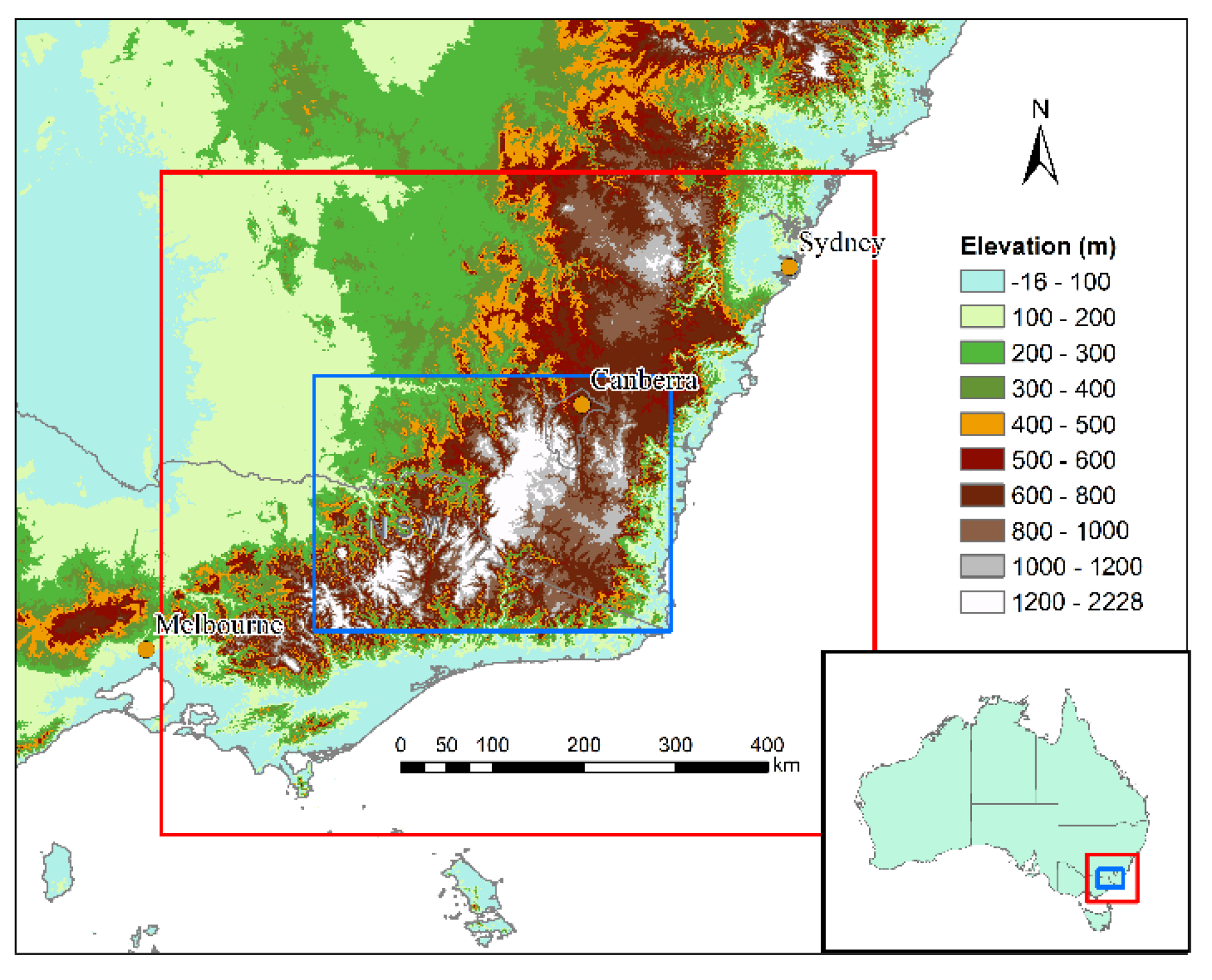
The Australian Alps are a unique and fascinating region, characterized by a diverse range of landscapes, including alpine meadows, snow-capped mountains, and eucalyptus forests. The range stretches across the states of New South Wales, Victoria, and the Australian Capital Territory, covering an area of approximately 1.5 million hectares. The highest peak in the Australian Alps is Mount Kosciuszko, which stands at 2,228 meters above sea level.
Best Time to Visit
The best time to visit the Australian Alps depends on your preferences and the type of backpacking experience you are looking for. The summer months (December to February) are the warmest and most popular time to visit, with average temperatures ranging from 15°C to 25°C. However, this period is also the busiest, and you can expect to encounter more people on the trails.
The spring (September to November) and autumn (March to May) seasons are also excellent times to visit, with mild temperatures and fewer crowds. The winter months (June to August) are the coldest and least popular time to visit, with average temperatures ranging from -5°C to 10°C. However, for experienced backpackers, the winter season can offer a serene and peaceful experience, with snow-covered landscapes and frozen lakes.
Packing List
A well-planned packing list is essential for a successful backpacking trip to the Australian Alps. Here are some of the essential items to include:
- Backpack: A sturdy and comfortable backpack with a capacity of at least 60 liters
- Sleeping bag: A warm and insulated sleeping bag with a comfort rating of -5°C to -10°C
- Tent: A waterproof and durable tent with a floor area of at least 2 square meters
- Clothing:
- Hiking boots: Waterproof and sturdy hiking boots with good tread and ankle support
- Socks: Several pairs of hiking socks made from moisture-wicking materials
- Base layers: Thermal base layers for cold weather
- Insulating layers: Fleece or down jackets for added warmth
- Waterproof jacket: A waterproof and breathable jacket

- Navigation tools:

- Map: A detailed topographic map of the Australian Alps
- Compass: A reliable and accurate compass
- GPS device: A handheld GPS device or a smartphone with a GPS app
- First aid kit:
- Bandages: Assorted bandages and band-aids
- Antiseptic wipes: For cleaning and disinfecting wounds
- Pain relievers: For relieving pain and reducing inflammation
- Blister care: Moleskin and blister pads for preventing and treating blisters
- Hydration:
- Water bottle or hydration bladder: A water bottle or hydration bladder with a capacity of at least 2 liters
- Water purification tablets or filter: For purifying water from streams and lakes
- Food:
- Backpacking stove: A lightweight and portable stove for cooking meals
- Fuel: Fuel for the stove, such as white gas or canister fuel
- Cooking pot: A lightweight and durable cooking pot
- Utensils: A set of lightweight and durable utensils, such as a spork or multi-tool
- Food storage: Airtight containers for storing food and keeping it fresh
Best Routes
The Australian Alps offer a wide range of backpacking routes, from easy day hikes to multi-day expeditions. Here are some of the best routes to consider:
- The Main Range Track: A 22-kilometer track that takes you through the heart of the Australian Alps, with stunning views of the surrounding mountains and valleys.
- The Kosciuszko Track: A 13-kilometer track that takes you to the summit of Mount Kosciuszko, the highest peak in the Australian Alps.
- The Jagungal Wilderness Trail: A 40-kilometer trail that takes you through the Jagungal Wilderness, with stunning views of the surrounding mountains and valleys.
- The Bogong High Plains: A 65-kilometer trail that takes you through the Bogong High Plains, with stunning views of the surrounding mountains and valleys.
Expert Tips
Here are some expert tips to help you plan and execute a successful backpacking trip to the Australian Alps:
- Check the weather forecast: Before embarking on your trip, check the weather forecast to ensure that you are prepared for any conditions that may arise.
- Plan your itinerary: Plan your itinerary carefully, taking into account the distance and difficulty of each day’s hike, as well as the availability of campsites and water sources.
- Pack lightly: Pack lightly and efficiently, bringing only the essential items that you need for your trip.
- Bring a first aid kit: A first aid kit is essential for any backpacking trip, and should include items such as bandages, antiseptic wipes, and pain relievers.
- Respect the environment: Respect the environment and follow the principles of Leave No Trace, minimizing your impact on the natural environment and preserving the beauty of the Australian Alps for future generations.
Safety Considerations
Backpacking in the Australian Alps can be a safe and enjoyable experience, but it’s essential to take necessary safety precautions to minimize the risk of injury or illness. Here are some safety considerations to keep in mind:
- Weather conditions: Be aware of the weather forecast and conditions, and plan your itinerary accordingly. Avoid hiking during periods of extreme weather, such as heavy rain or high winds.
- Remote areas: Be aware of the remote nature of the Australian Alps, and plan your itinerary accordingly. Make sure to bring a personal locator beacon (PLB) or satellite phone, and let someone know your itinerary and expected return time.
- Wildlife: Be aware of the wildlife in the Australian Alps, including snakes, spiders, and other animals. Take necessary precautions, such as wearing protective clothing and staying on marked trails.
- Altitude sickness: Be aware of the risk of altitude sickness, particularly if you are hiking to high elevations. Take necessary precautions, such as ascending gradually and staying hydrated.
Conclusion
Backpacking in the Australian Alps is an unforgettable experience, with its stunning landscapes, diverse wildlife, and challenging trails. With careful planning, preparation, and attention to safety, you can have a successful and enjoyable trip. Remember to pack lightly, plan your itinerary carefully, and respect the environment, and you’ll be well on your way to an unforgettable adventure in the Australian Alps.
By following the guidelines and tips outlined in this article, you’ll be able to plan and execute a successful backpacking trip to the Australian Alps, and experience the beauty and majesty of this unique and fascinating region. So why wait? Start planning your trip today, and get ready for the adventure of a lifetime.