“Essential Guide to Arizona Tent Camping – Tips, Destinations, and Expert Advice”
With its diverse landscape, mild climate, and abundant natural beauty, the state offers a wide range of camping opportunities for outdoor enthusiasts. From the rugged mountains to the scenic deserts, Arizona has something for everyone. In this comprehensive guide, we will explore the best destinations, tips, and expert advice for tent camping in Arizona.
When to Go
Arizona’s climate varies greatly depending on the season and region. The best time for tent camping in Arizona is from September to November and from March to May, when the weather is mild and comfortable. During these periods, the temperatures are pleasant, and the chances of extreme weather conditions are minimal.
Summer months (June to August) can be very hot, with temperatures often reaching over 100°F (38°C). Winters (December to February) can be cool, especially in the higher elevations. If you plan to camp in the mountains, be prepared for possible snow and freezing temperatures.
Best Destinations for Tent Camping
Arizona has numerous state and national parks, forests, and recreational areas that offer tent camping facilities. Here are some of the most popular destinations:
- Grand Canyon National Park: One of the most iconic natural wonders in the United States, the Grand Canyon offers three campgrounds: Mather Campground, Desert View Campground, and North Rim Campground.
- Sedona: Known for its red rock formations, Sedona has several campgrounds, including Dead Horse Ranch State Park and Manzanita Campground.
- Lake Pleasant: A large lake located about 45 minutes northwest of Phoenix, Lake Pleasant offers camping facilities at Lake Pleasant Regional Park.
- Prescott National Forest: With its lush forests and scenic lakes, Prescott National Forest is a popular destination for tent campers. The forest has several campgrounds, including Lynx Lake Campground and Watson Lake Campground.
- Tonto National Forest: Located in central Arizona, Tonto National Forest offers camping facilities at Roosevelt Lake, Apache Lake, and Canyon Lake.
- Monument Valley: Located on the Arizona-Utah border, Monument Valley is a Navajo Tribal Park that offers camping facilities and stunning views of the iconic rock formations.
- Patagonia Lake State Park: A beautiful park located in southern Arizona, Patagonia Lake State Park offers camping facilities and outdoor activities such as hiking, fishing, and bird watching.
Tips for Tent Camping in Arizona
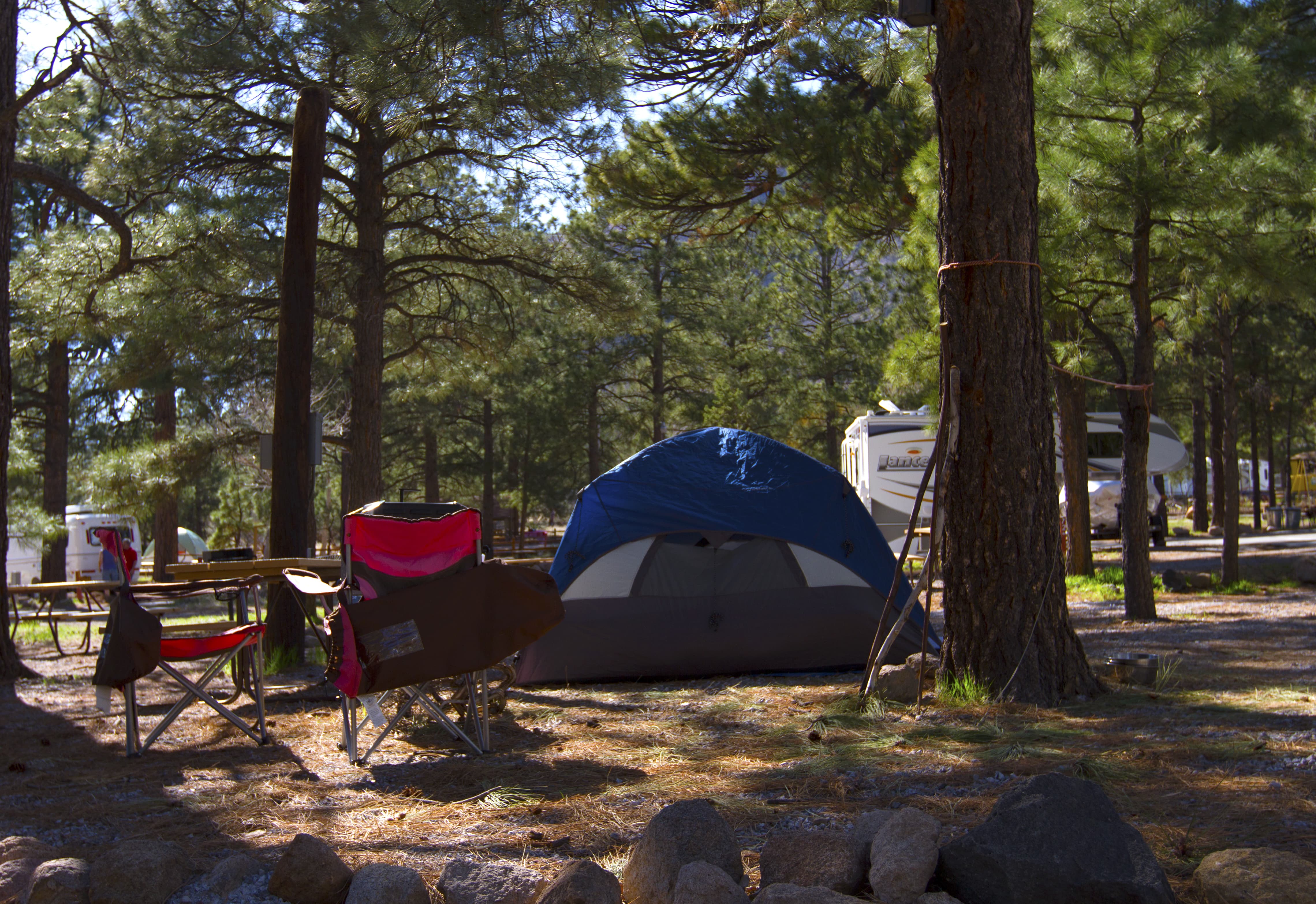
- Be Prepared for the Weather: Arizona’s weather can be unpredictable, so it’s essential to be prepared for extreme temperatures, rain, and wind.
- Bring Plenty of Water: Staying hydrated is crucial in Arizona’s hot and dry climate. Bring plenty of water for drinking, cooking, and hygiene.
- Choose a Campsite with Shade: Whenever possible, choose a campsite with shade to protect yourself from the sun.
- Respect the Environment: Follow the principles of Leave No Trace and respect the natural environment.
- Be Aware of Wildlife: Arizona is home to a wide range of wildlife, including snakes, spiders, and mountain lions. Be aware of your surroundings and take necessary precautions.
- Bring a First Aid Kit: A first aid kit is essential for any camping trip. Make sure to include essentials such as bandages, antiseptic wipes, and pain relievers.
- Pack Layers: Arizona’s temperature can fluctuate greatly, so pack layers to stay comfortable.
Expert Advice
We spoke with local outdoor enthusiasts and park rangers to get their expert advice on tent camping in Arizona.
- "Always check the weather forecast before heading out, and be prepared for changing weather conditions," says Sarah, a park ranger at Grand Canyon National Park.
- "Bring a map and compass, and know how to use them. Arizona’s wilderness areas can be vast and remote, and it’s easy to get lost," advises John, a local outdoor enthusiast.
- "Don’t underestimate the power of the sun. Bring sunscreen, a hat, and sunglasses to protect yourself from the sun’s intense rays," recommends Emily, a outdoor guide.
Camping Gear and Equipment
When it comes to tent camping in Arizona, having the right gear and equipment is essential. Here are some essentials to include in your camping kit:
- Tent: A sturdy, waterproof tent that can withstand wind and rain.
- Sleeping Bag: A warm and comfortable sleeping bag that can keep you cozy in cold temperatures.
- Sleeping Pad: A sleeping pad that provides extra comfort and insulation.
- Backpack: A comfortable backpack that can carry all your gear.
- Water Bottle or Hydration Pack: A water bottle or hydration pack that can keep you hydrated.
- Camp Stove: A portable camp stove that can be used for cooking.
- Flashlight or Headlamp: A reliable light source that can provide light after dark.
- First Aid Kit: A comprehensive first aid kit that includes essentials such as bandages, antiseptic wipes, and pain relievers.
Safety Precautions
Tent camping in Arizona can be a safe and enjoyable experience if you take the necessary precautions. Here are some safety tips to keep in mind:
- Be Aware of Your Surroundings: Pay attention to your surroundings and be aware of potential hazards such as wildlife, steep drop-offs, and inclement weather.
- Follow Campground Rules: Follow the rules and regulations of the campground, including quiet hours, fire restrictions, and waste disposal.
- Keep a Clean Campsite: Keep your campsite clean and tidy, and dispose of waste properly.
- Be Prepared for Emergencies: Have a plan in place in case of an emergency, including a first aid kit, a map, and a means of communication.
- Respect Wildlife: Keep a safe distance from wildlife, and never feed or approach animals in the wild.
Conclusion
Tent camping in Arizona is a unique and exciting experience that offers a wide range of opportunities for outdoor enthusiasts. From the rugged mountains to the scenic deserts, Arizona has something for everyone. By following the tips and expert advice outlined in this guide, you can have a safe and enjoyable camping experience in Arizona. Remember to be prepared, respect the environment, and follow the principles of Leave No Trace. Happy camping!

