“alaskan wilderness trips
- Denali National Park and Preserve
Denali National Park and Preserve is a six-million-acre wilderness area that is home to North America’s tallest mountain, Denali (formerly known as Mount McKinley). The park offers a variety of activities, including backpacking, hiking, camping, and wildlife viewing. Visitors can take a bus tour to explore the park’s scenic vistas and keep an eye out for wildlife such as grizzly bears, moose, caribou, and Dall sheep.
- Kenai Fjords National Park
Kenai Fjords National Park is a 669,984-acre park located on the Kenai Peninsula. The park is known for its stunning fjords, glaciers, and wildlife. Visitors can take a boat tour to explore the park’s glaciers and keep an eye out for wildlife such as seals, sea lions, and whales. The park also offers kayaking, hiking, and camping opportunities.
- Wrangell-St. Elias National Park and Preserve

Wrangell-St. Elias National Park and Preserve is the largest national park in the United States, covering 13.2 million acres. The park is home to nine of the fifteen highest peaks in the United States and offers a variety of activities such as backpacking, mountaineering, and rafting. Visitors can also take a flightseeing tour to explore the park’s remote wilderness.
- Katmai National Park and Preserve

Katmai National Park and Preserve is a 4.1-million-acre park located on the Alaska Peninsula. The park is known for its abundant brown bears and volcanic landscapes. Visitors can take a boat tour to explore the park’s coastline and keep an eye out for wildlife such as bears, sea otters, and seals. The park also offers fishing, hiking, and camping opportunities.
- Glacier Bay National Park and Preserve
Glacier Bay National Park and Preserve is a 3.3-million-acre park located in southeastern Alaska. The park is known for its stunning glaciers, fjords, and wildlife. Visitors can take a boat tour to explore the park’s glaciers and keep an eye out for wildlife such as whales, sea otters, and puffins. The park also offers kayaking, hiking, and camping opportunities.
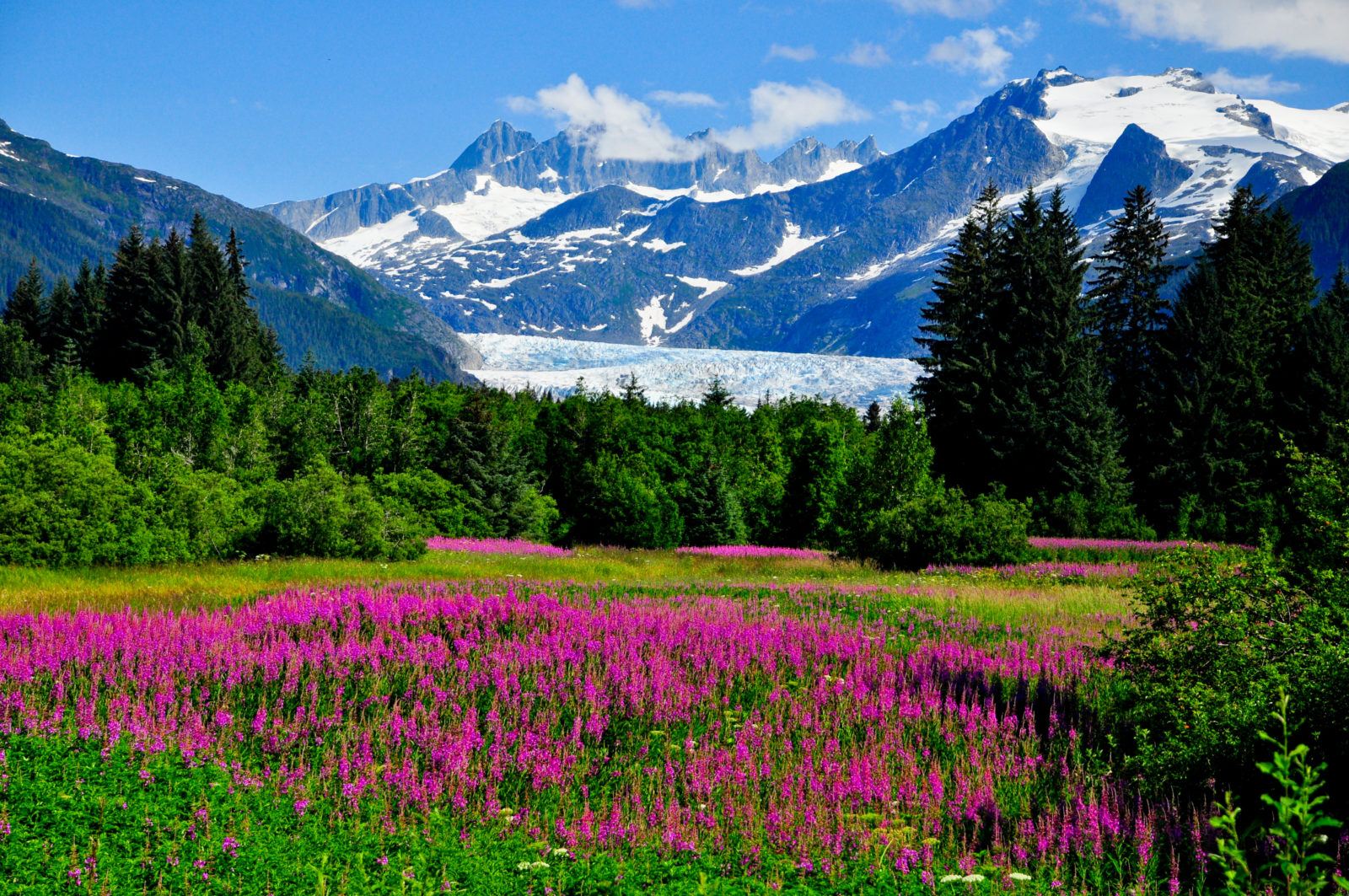
Planning Your Alaska Wilderness Trip
When planning your Alaska wilderness trip, there are a few things to keep in mind. First, Alaska’s wilderness can be remote and challenging to navigate, so it is essential to have the right equipment and experience. Consult with a guide or outfitter if you are unsure about what to bring or how to prepare.
Second, Alaska’s weather can be unpredictable, so it is essential to pack accordingly. Bring layers of clothing, rain gear, and a good pair of hiking boots. Also, be sure to bring a map, compass, and GPS device to help navigate the wilderness.
Third, Alaska’s wilderness is home to abundant wildlife, so it is crucial to be aware of your surroundings and take precautions to avoid encounters with bears and other large animals. Carry bear spray, make noise while hiking, and store food and scented items in bear-proof containers.
Finally, respect Alaska’s wilderness by following Leave No Trace principles. This includes packing out all trash, staying on designated trails, and avoiding disturbing wildlife.
Conclusion
Alaska’s wilderness is a land of adventure and natural beauty that offers some of the most thrilling wilderness trips in the world. Whether you are an experienced adventurer or a nature lover seeking a new experience, Alaska has something for everyone. By following the tips in this guide and respecting Alaska’s wilderness, you can create unforgettable memories that will last a lifetime.

