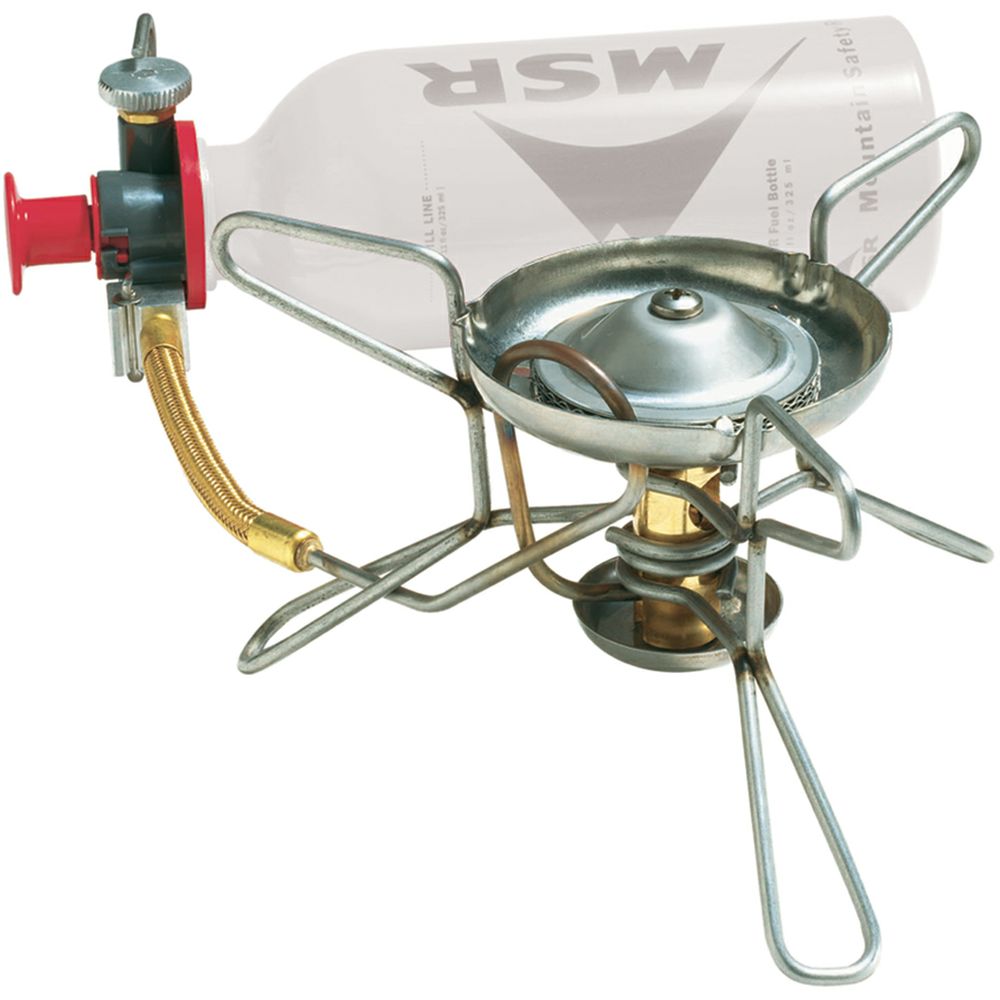
“stove backpacking”
One of the most important pieces of gear for any backpacking trip is a reliable stove. With so many options on the market, it can be overwhelming to choose the right one for your needs. In this article, we will explore the different types of backpacking stoves, their features, and how to choose the right one for your adventure.
Types of Backpacking Stoves
There are several types of backpacking stoves, each with its own advantages and disadvantages. Here are the most common types:
- Canister Stoves: Canister stoves are lightweight, easy to use, and compact. They use a self-sealing canister of fuel, such as isobutane or propane, which makes them a popular choice for backpackers. Canister stoves are also generally more expensive than other types of stoves.
- Liquid Fuel Stoves: Liquid fuel stoves use white gas, kerosene, or unleaded gasoline as fuel. They are more versatile than canister stoves, as they can be used in colder temperatures and at higher altitudes. However, they are heavier and more complicated to use than canister stoves.
- Alcohol Stoves: Alcohol stoves are lightweight and simple to use. They use denatured alcohol or methanol as fuel, which is inexpensive and widely available. However, they are not as efficient as other types of stoves and can be difficult to regulate the flame.
- Solid Fuel Stoves: Solid fuel stves use tablets or cubes of fuel, such as hexamine or esbit. They are lightweight and compact, making them a popular choice for ultralight backpackers. However, they are not as efficient as other types of stoves and can produce a lot of soot.
- Wood Stoves: Wood stoves use twigs, branches, or other natural materials as fuel. They are lightweight and eco-friendly, but they require a constant supply of fuel and can be difficult to regulate the flame.
Features to Consider When Choosing a Backpacking Stove

When choosing a backpacking stove, there are several features to consider:
- Weight: The weight of the stove is an important consideration for backpackers. Canister stoves are generally the lightest, followed by alcohol stoves and solid fuel stoves. Liquid fuel stoves are the heaviest.
- Boil Time: The boil time is the time it takes for the stove to bring a liter of water to a boil. Canister stoves and liquid fuel stoves have the fastest boil times, while alcohol stoves and solid fuel stoves have slower boil times.
- Fuel Efficiency: Fuel efficiency is the amount of fuel used to boil a liter of water. Canister stoves and liquid fuel stoves are the most fuel-efficient, while alcohol stoves and solid fuel stoves are less fuel-efficient.
- Simmer Control: Simmer control is the ability to adjust the flame to a low setting. Canister stoves and liquid fuel stoves have the best simmer control, while alcohol stoves and solid fuel stoves have limited simmer control.
- Wind Resistance: Wind resistance is important for backpacking stoves, as wind can affect the flame and boil time. Canister stoves and liquid fuel stoves have the best wind resistance, while alcohol stoves and solid fuel stoves have limited wind resistance.
- Price: Price is always a consideration when choosing a backpacking stove. Canister stoves are generally the most expensive, followed by liquid fuel stoves and wood stoves. Alcohol stoves and solid fuel stoves are the least expensive.

How to Choose the Right Backpacking Stove

Choosing the right backpacking stove depends on several factors, including the type of trip, the number of people, and the budget. Here are some tips for choosing the right stove:
- Consider the Type of Trip: If you are going on a short, easy trip, a lightweight canister stove may be the best choice. If you are going on a longer, more challenging trip, a liquid fuel stove may be a better option.
- Consider the Number of People: If you are backpacking alone or with one other person, a canister stove or alcohol stove may be sufficient. If you are backpacking with a group, a