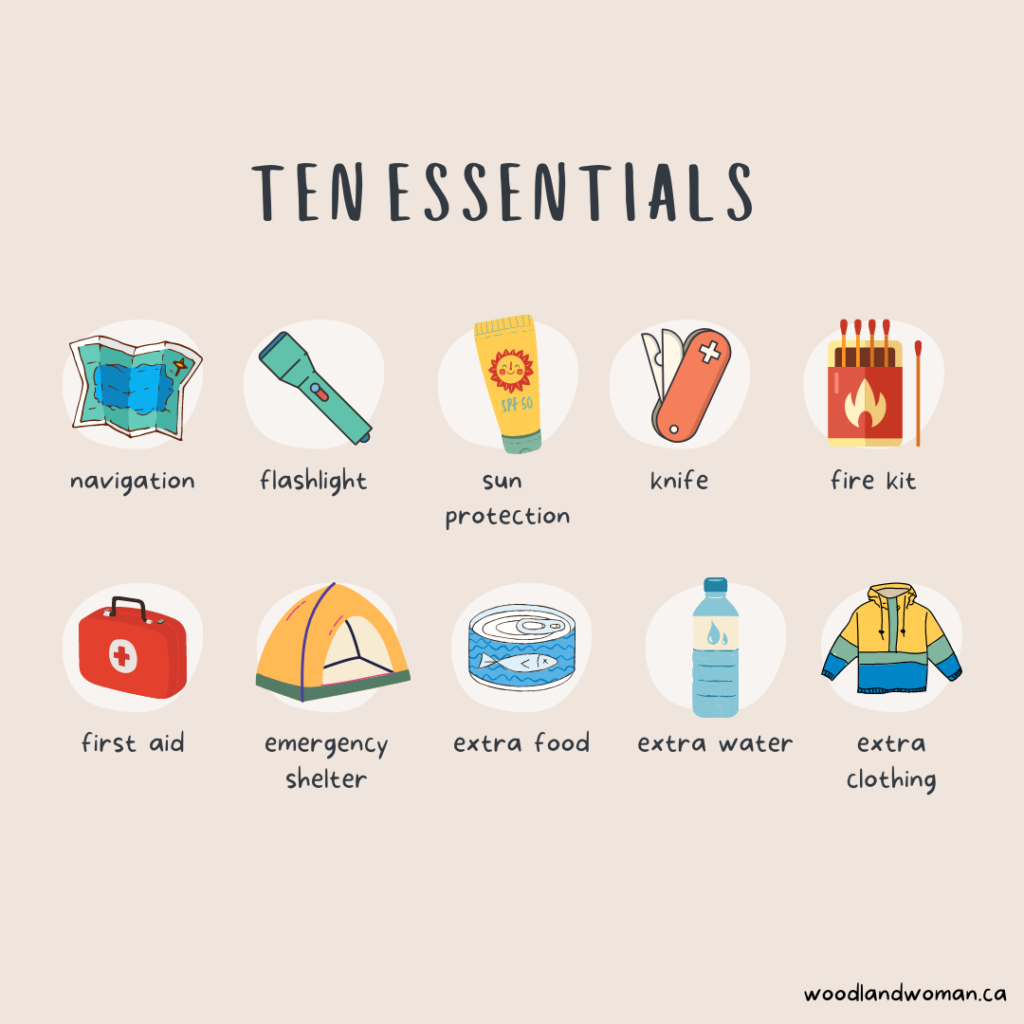
“Here are the essentials to include in your packing list:”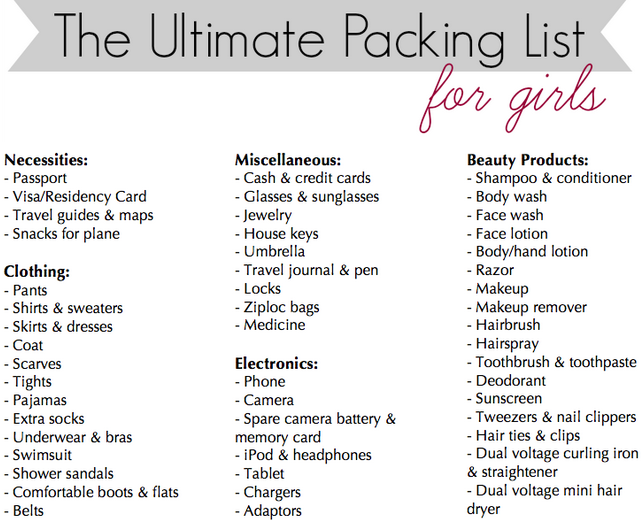
Here are the essentials to include in your packing list:
- Shelter: A lightweight tent, sleeping bag, and sleeping pad to keep you dry and comfortable.
- Clothing: Pack layers of breathable, moisture-wicking clothing to keep you warm and dry, including a base layer, mid-layer, and waterproof jacket.
- Footwear: Sturdy hiking boots or trail running shoes with good tread and ankle support.
- Backpack: A comfortable, ergonomic backpack with multiple compartments and pockets to keep your gear organized.
- Cooking Gear: A portable stove, fuel, and cooking pot to prepare meals and boil water.
- Hydration: A water filter or purification tablets to ensure access to safe drinking water.
- First Aid: A basic first aid kit with bandages, antiseptic wipes, pain relievers, and any personal medications.
- Navigation: A map, compass, and GPS device or smartphone with a GPS app to stay on track.
- Lighting: A headlamp or flashlight to navigate in the dark.
- Personal Hygiene: Biodegradable soap, toilet paper, and hand sanitizer to maintain personal hygiene.
Additional Tips:
- Pack clothes that can be easily mixed and matched to create multiple outfits.
- Consider the weather forecast and pack accordingly.
- Bring a repair kit with duct tape, safety pins, and a multi-tool to fix gear on the go.
- Pack a smalldaypack with essentials like snacks, water, and a first aid kit in case of an emergency.

Best Routes: Explore the World’s Most Epic Backpacking Trails
From the rugged mountains of the Himalayas to the scenic coastlines of New Zealand, there are countless backpacking trails to explore around the world. Here are some of the most epic routes to consider:
- The Appalachian Trail, USA: A 2,190-mile trail that stretches from Georgia to Maine, passing through 14 states and offering breathtaking mountain vistas.
- The Inca Trail, Peru: A 4-day, 26-mile hike to Machu Picchu, one of the Seven Wonders of the World.
- The Tour du Mont Blanc, France/Italy/Switzerland: A 7-10 day trek through the French, Italian, and Swiss Alps, offering stunning mountain scenery and picturesque villages.
- The Milford Track, New Zealand: A 33-mile, 4-day hike through Fiordland National Park, featuring stunning waterfalls, glaciers, and mountain peaks.
- The John Muir Trail, USA: A 211-mile trail that runs through California’s Sierra Nevada mountain range, passing through Yosemite, Kings Canyon, and Sequoia National Parks.
Expert Tips: Safety, Navigation, and Wilderness Skills
Backpacking requires a range of skills and knowledge to stay safe and enjoy the wilderness. Here are some expert tips to keep in mind:
- Plan Ahead: Research your route, check the weather forecast, and obtain any necessary permits or licenses.
- Navigate with Confidence: Bring a map, compass, and GPS device, and know how to use them.
- Stay Hydrated: Drink plenty of water throughout the day, and know how to purify water in the wilderness.
- Be Prepared for Emergencies: Bring a first aid kit, know how to treat common injuries, and have a plan for emergencies like inclement weather or getting lost.
- Respect the Environment: Follow Leave No Trace principles, and avoid disturbing wildlife and their habitats.
- Stay Alert: Be aware of your surroundings, including potential hazards like steep drop-offs, fast-moving water, and wildlife.
- Bring a Buddy: Backpacking with a partner or group can be safer and more enjoyable than solo travel.
Wilderness Skills:
- Start a Fire: Know how to start a fire using matches, a lighter, or a fire starter, and how to build a safe and efficient campfire.
- Build a Shelter: Know how to set up a tent, and how to build a shelter using natural materials like leaves, branches, and snow.
- Find Food: Know how to forage for wild edibles, and how to catch fish or other small game.
- Purify Water: Know how to use water purification tablets, filters, or other methods to ensure safe drinking water.
Conclusion:
Backpacking is a rewarding and challenging adventure that requires careful planning, preparation, and knowledge. By following the packing lists, best routes, and expert tips outlined in this guide, you’ll be well on your way to a safe and enjoyable backpacking trip. Remember to always respect the environment, stay alert, and be prepared for emergencies. With practice and experience, you’ll develop the skills and confidence to tackle even the most epic backpacking trails. So why wait? Start planning your next adventure today, and get ready to connect with nature and push your limits in the great outdoors.
Additional Resources:
- Backpacking Books: "The Backpacker’s Handbook" by Chris Townsend, "Backpacking for Dummies" by Bryan Welch
- Online Forums: Reddit’s r/backpacking, Backpacker Magazine’s online forum
- Guided Tours: Consider hiring a guide or joining a guided tour to learn new skills and explore new destinations
- Outdoor Gear Stores: Visit outdoor gear stores like REI, Patagonia, or The North Face to get advice from experienced staff and find the right gear for your needs.
By following this comprehensive guide, you’ll be well on your way to becoming a skilled and confident backpacker, ready to take on the world’s most epic trails and connect with the beauty of the great outdoors. Happy trails!