“Here’s a list of the essentials you should consider:”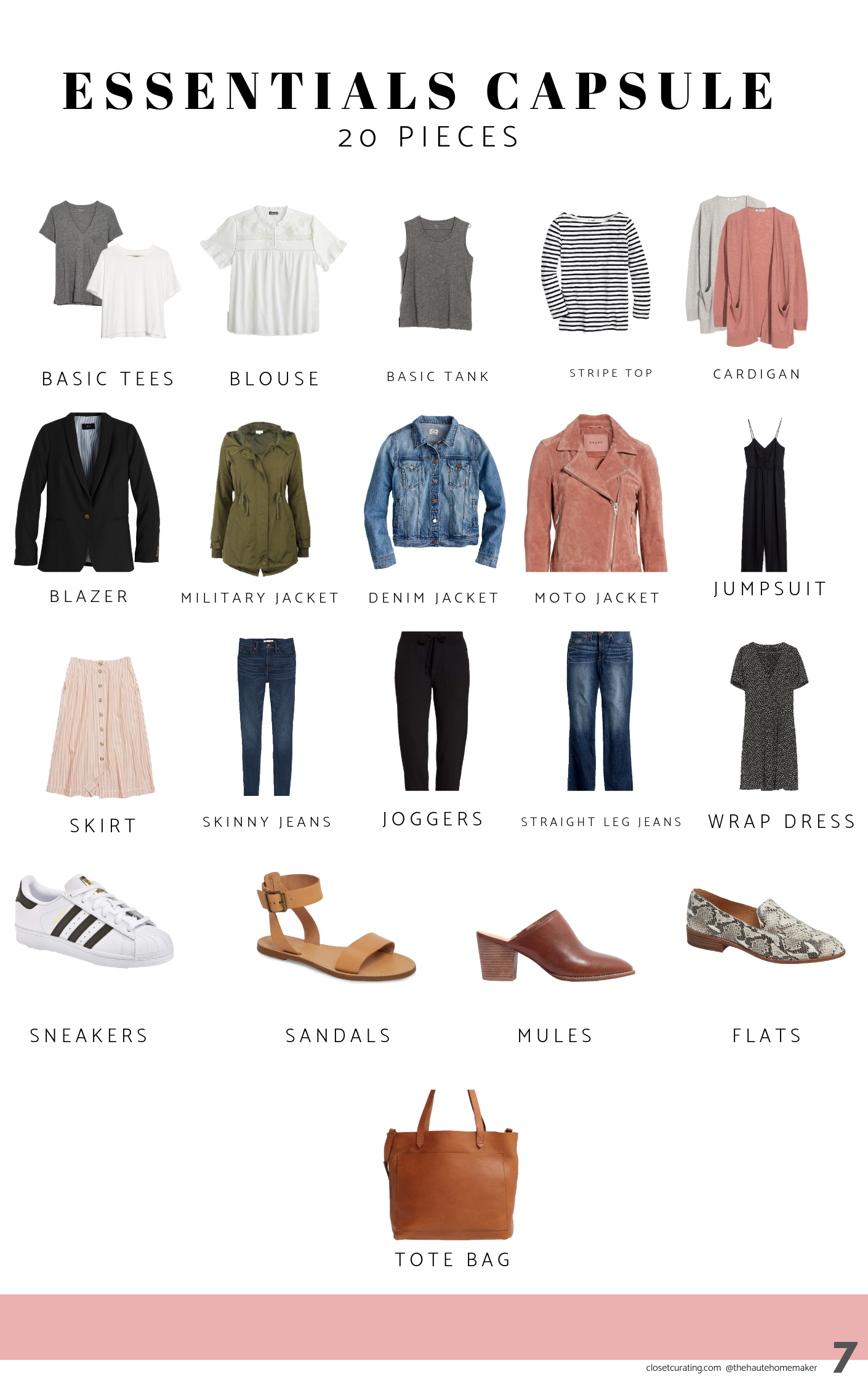
Here’s a list of the essentials you should consider:
- Clothing:
- 2-3 pairs of hiking pants/trousers
- 4-5 tops (moisture-wicking and quick-drying)
- 1-2 lightweight dresses or skirts (optional)
- 1 waterproof jacket
- Underwear and socks
- Warm hat and gloves (depending on the destination)
- Footwear:
- 1 pair of sturdy hiking boots
- 1 pair of sandals or flip-flops
- Hiking socks

- Toiletries:
- Toothbrush and toothpaste
- Deodorant
- Biodegradable soap
- Shampoo and conditioner
- Contact lenses and solution (if applicable)
- Prescription medication

- Electronics:
- Smartphone and portable charger
- Laptop and portable charger (if necessary)
- Camera and charger
- Power bank
- First Aid Kit:
- Bandages and band-aids
- Antiseptic wipes
- Pain relievers
- Antihistamines
- Blister packs
- Miscellaneous:
- Backpack (60-80 liters)
- Sleeping bag and pad
- Tent
- Headlamp and extra batteries
- Water bottle or hydration bladder
- Food and cooking gear (if planning to camp)
Best Routes: Popular Backpacking Destinations
From the famous Inca Trail to the scenic Pacific Crest Trail, there are countless backpacking routes around the world that offer breathtaking scenery, diverse wildlife, and unforgettable experiences. Here are some of the most popular backpacking destinations:
- The Inca Trail (Peru): A four-day hike to Machu, considered one of the Seven Wonders of the World.
- The Pacific Crest Trail (USA): A 2,659-mile trek from California to Washington, passing through National Parks and scenic landscapes.
- The Tour du Mont Blanc (Europe): A seven-day hike around the highest peak in the Alps, offering stunning views and picturesque villages.
- The Routeburn Track (New Zealand): A three-day hike through the beautiful mountains and valleys of Fiordland National Park.
- The Camino de Santiago (Spain): A network of pilgrimage routes that stretch across northern Spain, offering a unique cultural and spiritual experience.
Expert Tips: Pre-Trip Planning and Preparation
Before embarking on your backpacking adventure, it’s essential to plan and prepare carefully. Here are some expert tips to help you get started:
- Research and planning: Research your destination, route, and weather conditions to ensure you’re prepared for any challenges.
- Physical conditioning: Train beforehand to build up your endurance and stamina.
- Budgeting: Set a realistic budget and plan for contingencies.
- Visas and documentation: Check if you need a visa or any other documentation to enter your destination country.
- Travel insurance: Consider purchasing travel insurance to cover unexpected medical or travel-related expenses.
- Language skills: Learn basic phrases in the local language to help you navigate and communicate with locals.
- Guidebooks and maps: Purchase guidebooks and maps to help you navigate the route and find accommodation.
- Accommodation: Book your accommodation in advance, especially during peak season.
- Transportation: Plan your transportation to and from the trailhead, and consider renting a car or shuttle service.
- Safety: Inform someone of your itinerary and expected return time, and carry a personal locator beacon (PLB) or satellite phone if necessary.
On-Trail Tips: Navigation, Safety, and Etiquette
Once you’re on the trail, it’s essential to navigate safely and responsibly. Here are some on-trail tips to keep in mind:
- Navigation: Use a map, compass, and GPS device to navigate the route, and pay attention to trail signs and markings.
- Safety: Be aware of your surroundings, including weather conditions, wildlife, and potential hazards.
- Etiquette: Follow the principles of Leave No Trace, including disposing of waste properly, respecting wildlife, and minimizing your impact on the environment.
- Water purification: Use a water filter or purification tablets to ensure safe drinking water.
- Food storage: Store food and trash properly to avoid attracting wildlife and maintain a clean campsite.
- Campsite selection: Choose a campsite that is safe, dry, and away from potential hazards.
- Fire safety: Build campfires in designated areas, and fully extinguish them before leaving.
- Respect locals: Be respectful of local customs, traditions, and private property.
Backpacking on a Budget: Tips and Tricks
Backpacking can be an expensive adventure, but with some careful planning and budgeting, you can reduce costs and make your trip more affordable. Here are some tips and tricks to help you backpack on a budget:
- Accommodation: Consider camping or staying in hostels to reduce accommodation costs.
- Food: Cook your own meals or eat at local markets to save money on food.
- Transportation: Use public transportation or walk/bike whenever possible to reduce transportation costs.
- Gear: Buy second-hand gear or rent equipment to reduce costs.
- Activities: Choose free or low-cost activities, such as hiking or visiting local markets.
- Travel during the off-season: Prices for accommodation and transportation are often lower during the off-season.
- Use travel rewards: Use travel rewards credit cards or loyalty programs to earn points and redeem rewards.
Conclusion:
Backpacking is a thrilling adventure that requires careful planning, preparation, and execution. With this comprehensive guide, you’ll have the essential information you need to plan and execute a successful backpacking trip. Remember to pack the essentials, choose a route that suits your skills and interests, and follow expert tips to ensure a safe and enjoyable journey. Happy trails!
Additional Resources:
For more information on backpacking, including gear reviews, trail guides, and travel tips, check out the following resources:
- Backpacker Magazine: A leading publication for backpackers, offering gear reviews, trail guides, and travel tips.
- REI: A reputable outdoor retailer offering gear, guidance, and workshops for backpackers.
- The Trek: A online community and resource for thru-hikers and backpackers, offering trail guides, gear reviews, and travel tips.
- Backpacking Light: A online forum and community for ultralight backpackers, offering gear reviews, trail guides, and travel tips.
By following this guide and using the additional resources provided, you’ll be well on your way to planning and executing a successful backpacking trip. Happy backpacking!

