“The Ultimate Backpacking Forum Guide – Packing Lists, Best Routes, and Expert Tips”
However, with so many options and considerations, planning a backpacking trip can be overwhelming, especially for beginners. In this comprehensive guide, we will provide you with the essential information and expert tips to help you prepare for your next backpacking adventure.
I. Packing Lists: The Essentials
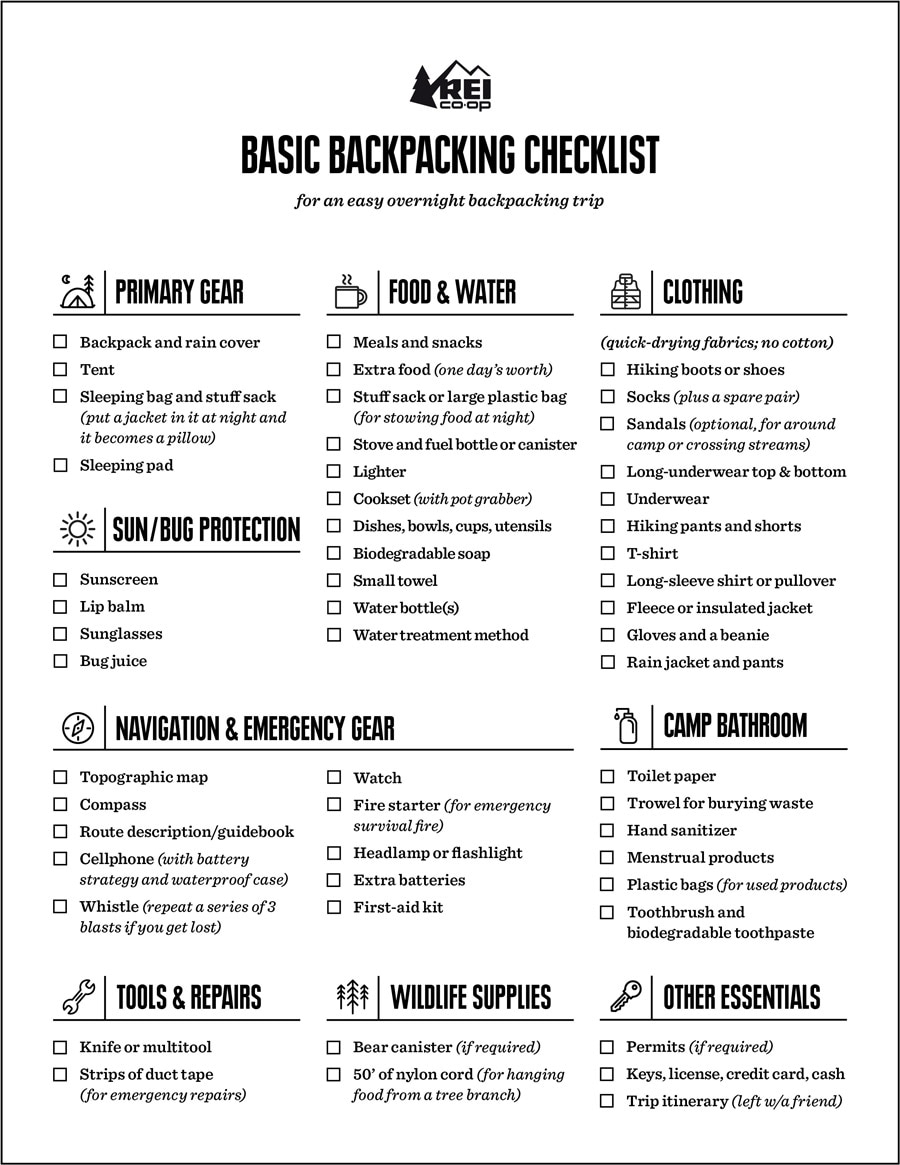
A well-organized packing list is crucial to a successful backpacking trip. Here are the must-haves to include in your backpack:
- Clothing:
- Hiking boots or sturdy shoes
- Socks and underwear
- Base layers (top and bottom)
- Insulating layers (fleece, wool, or synthetic)
- Waterproof jacket and pants
- Hat and gloves (depending on the weather)
- Swimwear (if applicable)
- Shelter and Sleeping Gear:
- Tent
- Sleeping bag and pad
- Ground tarp
- Camping stove and fuel
- Cooking pot and utensils


- Personal Hygiene Items:
- Toothbrush and toothpaste
- Biodegradable soap
- Shampoo and conditioner
- Wet wipes
- Hand sanitizer
- First Aid Kit:
- Bandages and band-aids
- Antiseptic wipes
- Pain relievers (e.g., ibuprofen or acetaminophen)
- Antihistamines (for allergic reactions)
- Blister care (e.g., moleskin or blister pads)
- Navigation and Safety:
- Map and compass
- GPS device or smartphone with GPS app
- Headlamp or flashlight
- Extra batteries
- Whistle
- Fire starter (e.g., matches, lighter, or firesteel)
- Food and Water:
- Backpacking stove and fuel
- Cooking pot and utensils
- Water filter or purification tablets
- Water bottle or hydration bladder
- Food storage containers
- Trail snacks (e.g., energy bars, nuts, or dried fruit)
II. Best Routes: Popular Backpacking Destinations
With countless backpacking routes to choose from, it can be challenging to decide on a destination. Here are some popular options to consider:
- The Appalachian Trail (AT): Spanning over 2,190 miles from Georgia to Maine, the AT is one of the most iconic backpacking routes in the United States.
- The Pacific Crest Trail (PCT): Stretching from California to Washington, the PCT offers breathtaking views of the western wilderness.
- The John Muir Trail (JMT): Located in California’s Sierra Nevada mountain range, the JMT is a 211-mile trek that passes through stunning alpine landscapes.
- The Continental Divide Trail (CDT): This 3,100-mile route spans from New Mexico to Montana, taking backpackers through a diverse range of ecosystems.
- The Tour du Mont Blanc (TMB): Located in the European Alps, the TMB is a 103-mile circuit that offers spectacular views of Mont Blanc, the highest peak in the Alps.
III. Expert Tips: Advice from Experienced Backpackers
To help you prepare for your next backpacking adventure, we’ve gathered expert tips from experienced backpackers:
- Plan Ahead: Research your route, check the weather forecast, and obtain any necessary permits or reservations.
- Pack Light: Aim for a backpack weight of 20-30% of your body weight to ensure a comfortable and enjoyable hike.
- Stay Hydrated: Drink plenty of water throughout the day, and consider bringing a water filter or purification tablets to ensure access to safe drinking water.
- Bring a Buddy: Backpacking with a partner or group can enhance your safety and overall experience.
- Be Prepared for Emergencies: Know what to do in case of an emergency, such as a thunderstorm or wildlife encounter, and carry a first aid kit and emergency shelter.
- Respect the Environment: Follow Leave No Trace principles to minimize your impact on the environment and preserve the natural beauty of the wilderness.
IV. Backpacking Techniques: Mastering the Skills
To become a proficient backpacker, it’s essential to master various skills, including:
- Navigation: Learn to use a map and compass, and consider bringing a GPS device or smartphone with a GPS app.
- Shelter Setup: Practice setting up your tent, and know how to secure it in windy or rainy conditions.
- Cooking and Food Preparation: Learn to use a backpacking stove, and know how to prepare and store food safely.
- Water Purification: Understand how to use a water filter or purification tablets to ensure access to safe drinking water.
- First Aid: Take a first aid course, and know how to treat common injuries and illnesses, such as blisters, sprains, and altitude sickness.
V. Conclusion
Backpacking is a rewarding and challenging adventure that requires careful planning, preparation, and expertise. By following this ultimate guide, you’ll be well-equipped to tackle your next backpacking trip with confidence. Remember to pack essential items, choose a route that suits your experience and fitness level, and master various backpacking skills to ensure a safe and enjoyable journey. Happy trails!
Additional Resources:
- Backpacking Forums: Join online communities, such as Reddit’s r/backpacking, to connect with experienced backpackers and ask questions.
- Guidebooks and Maps: Invest in guidebooks and maps specific to your destination to gain valuable insights and information.
- Outdoor Gear Stores: Visit outdoor gear stores, such as REI or Patagonia, to learn about the latest backpacking gear and techniques.
- Backpacking Courses: Consider taking a backpacking course or workshop to learn from experienced instructors and gain hands-on experience.
By following this comprehensive guide, you’ll be well on your way to becoming a skilled backpacker, ready to tackle the trails and explore the great outdoors. Happy backpacking!