“The Ultimate Backpacking In North Carolina Guide – Packing Lists, Best Routes, and Expert Tips”
From the majestic Appalachian Mountains to the scenic coastal plains, the Tar Heel State offers a wide range of backpacking opportunities for all skill levels. In this comprehensive guide, we’ll cover the best routes, provide packing lists, and share expert tips to help you make the most of your backpacking adventure in North Carolina.
Best Backpacking Routes in North Carolina
North Carolina is home to numerous backpacking trails, each with its unique charm and challenges. Here are some of the best routes to consider:
- Appalachian Trail (AT): The AT spans over 95 miles in North Carolina, offering breathtaking views of the Great Smoky Mountains and the Pisgah National Forest. The trail takes you through diverse landscapes, from lush forests to rocky ridges, and offers stunning vistas of the surrounding mountains.
- Mount Pisgah Trail: This 5-mile trail takes you to the summit of Mount Pisgah, offering panoramic views of the surrounding mountains and valleys. The trail is moderately difficult and features scenic overlooks, waterfalls, and diverse wildlife.
- Linville Gorge Wilderness: The Linville Gorge Trail is a 12-mile loop that takes you through a rugged and scenic gorge, offering stunning views of the surrounding mountains and waterfalls. The trail is challenging, with steep inclines and rocky terrain, but the scenery is well worth the effort.
- Uwharrie National Forest: The Uwharrie National Forest offers over 50 miles of backpacking trails, ranging from easy to challenging. The trails take you through scenic forests, along streams, and to scenic overlooks, offering a tranquil and peaceful backpacking experience.
- Cape Hatteras National Seashore: For a coastal backpacking experience, head to the Cape Hatteras National Seashore, where you can hike along the beach, explore scenic dunes, and enjoy stunning sunsets over the Atlantic Ocean.
Packing List
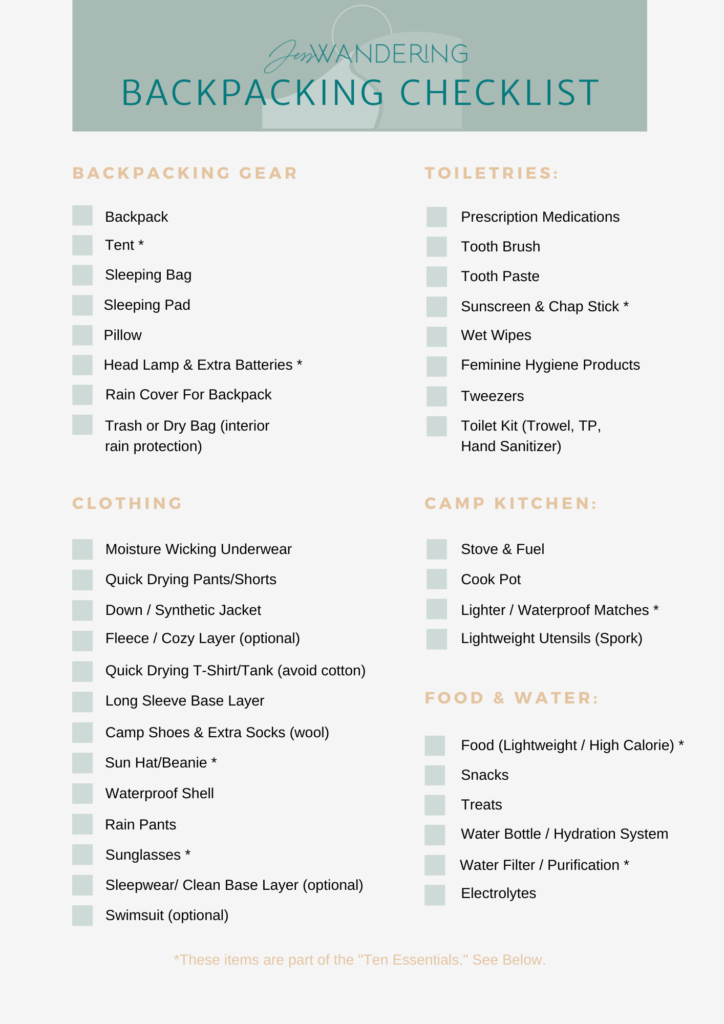
Before you hit the trails, make sure you have the following essential items in your backpack:
- Shelter: Tent, tarp, or hammock
- Sleeping Bag: Rated to 30°F (-1°C) or lower
- Backpack: Comfortable, sturdy, and waterproof
- Clothing:
- Hiking boots or trail running shoes
- Base layers (top and bottom)
- Insulating layers (fleece, wool, or synthetic)
- Waterproof jacket and pants
- Hat, gloves, and scarf (depending on the season)

- Cooking Gear:
- Backpacking stove or campfire equipment
- Pot and pan
- Utensils (spork, knife, or multi-tool)
- Plates, bowls, and cups
- Hydration:
- Water bottle or hydration bladder
- Water purification tablets or filter
- First Aid Kit:
- Bandages and band-aids
- Antiseptic wipes and ointment
- Pain relievers and antihistamines
- Blister care (moleskin, etc.)
- Lighting:
- Headlamp or flashlight
- Extra batteries
- Personal Hygiene:
- Toilet paper and hand sanitizer
- Biodegradable soap and toothbrush
- Miscellaneous:
- Map and compass
- Sunscreen and insect repellent
- Emergency shelter and warmth (bivy sack, space blanket, etc.)
- Multi-tool or pocket knife
- Fire starter (matches, lighter, etc.)
Expert Tips
To make the most of your backpacking adventure in North Carolina, follow these expert tips:
- Check the weather: North Carolina’s weather can be unpredictable, so make sure to check the forecast before you head out. Be prepared for rain, wind, and extreme temperatures.
- Choose the right trail: Consider your skill level, physical condition, and experience when choosing a trail. Don’t be afraid to turn back if you’re not feeling comfortable or confident.
- Pack light: Aim to carry no more than 20-25% of your body weight in your backpack. This will help you conserve energy and reduce the risk of injury.
- Stay hydrated: Drink plenty of water throughout the day, and make sure to purify or filter your water to avoid waterborne illnesses.
- Be prepared for wildlife: North Carolina is home to a variety of wildlife, including black bears, snakes, and ticks. Make noise while hiking, store food and trash properly, and be aware of your surroundings.
- Respect the environment: Follow the principles of Leave No Trace, and make sure to minimize your impact on the environment. This includes disposing of waste properly, respecting wildlife habitats, and avoiding sensitive ecosystems.
- Bring a map and compass: Even with a GPS device or smartphone, it’s always a good idea to bring a map and compass as a backup. Make sure to know how to use them before you head out.
- Let someone know your itinerary: Leave a copy of your itinerary with a friend or family member, including your planned route, expected return time, and contact information.
- Be mindful of regulations: Familiarize yourself with local regulations, including permit requirements, camping restrictions, and any specific rules or guidelines for the area you’re visiting.
- Enjoy the journey: Backpacking is about more than just reaching your destination – it’s about the journey, the scenery, and the experience. Take your time, enjoy the views, and soak up the natural beauty of North Carolina.
Safety Considerations
Backpacking in North Carolina can be a safe and enjoyable experience, but it’s essential to be aware of potential hazards and take necessary precautions. Here are some safety considerations to keep in mind:
- Weather: As mentioned earlier, North Carolina’s weather can be unpredictable. Make sure to check the forecast before you head out and be prepared for changing conditions.
- Wildlife: North Carolina is home to a variety of wildlife, including black bears, snakes, and ticks. Make noise while hiking, store food and trash properly, and be aware of your surroundings.
- Steep terrain: Some trails in North Carolina feature steep inclines and rocky terrain. Make sure to wear sturdy hiking boots or trail running shoes, and use trekking poles if necessary.
- Water safety: When crossing streams or rivers, make sure to use caution and follow safe crossing techniques. Avoid swimming or wading in fast-moving water, and be aware of potential waterborne illnesses.
- Emergency preparedness: Make sure to carry a first aid kit, emergency shelter, and warmth (bivy sack, space blanket, etc.), and know how to use them in case of an emergency.
Conclusion
Backpacking in North Carolina is an unforgettable experience, with its stunning landscapes, diverse wildlife, and rich history. By following the tips and guidelines outlined in this guide, you’ll be well-prepared for an adventure of a lifetime. Remember to choose the right trail, pack light, stay hydrated, and respect the environment. With the right mindset and preparation, you’ll be able to enjoy the beauty and wonder of North Carolina’s great outdoors. Happy trails!