“The Ultimate Backpacking In Texas Guide – Packing Lists, Best Routes, and Expert Tips”
With its diverse landscapes, ranging from desert mountains to coastal plains, and its rich cultural heritage, Texas has something to offer every kind of backpacker. Whether you’re a seasoned hiker or just starting out, this comprehensive guide will help you navigate the best routes, pack the essentials, and make the most of your backpacking adventure in Texas.
Best Routes for Backpacking in Texas
Texas has a wide range of backpacking trails to suit all levels of experience and fitness. Here are some of the best routes to consider:
- Guadalupe Mountains National Park: Located in western Texas, this park offers some of the most spectacular backpacking trails in the state. The Guadalupe Mountains Trail, a 62-mile loop, takes you through stunning mountain scenery, including the highest point in Texas, Guadalupe Peak.
- Big Bend National Park: Situated in southwest Texas, Big Bend is a vast and remote park that offers many backpacking options. The South Rim Trail, a 12-mile loop, takes you to the edge of the Chisos Basin, with breathtaking views of the Rio Grande River.
- Davis Mountains State Park: In western Texas, Davis Mountains State Park offers a range of backpacking trails, including the 10-mile loop trail that takes you to the summit of Mount Livermore, the highest point in the park.
- Lost Maples State Natural Area: Located in central Texas, Lost Maples is a beautiful park with stunning fall foliage. The 10-mile loop trail takes you through scenic woods and along the Sabinal River.
- Padre Island National Seashore: For a coastal backpacking experience, head to Padre Island, where you can hike along the beach and enjoy stunning sunsets over the Gulf of Mexico.
Packing Lists for Backpacking in Texas
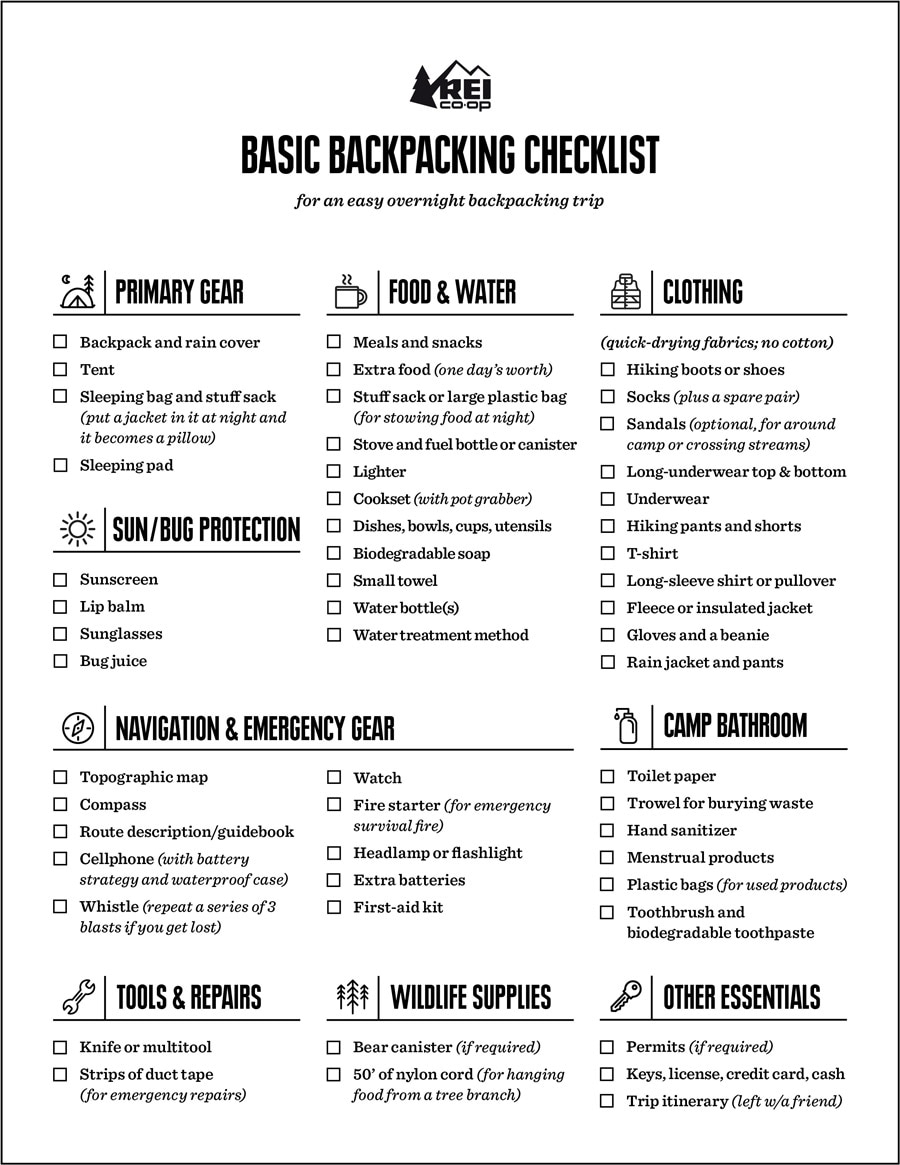
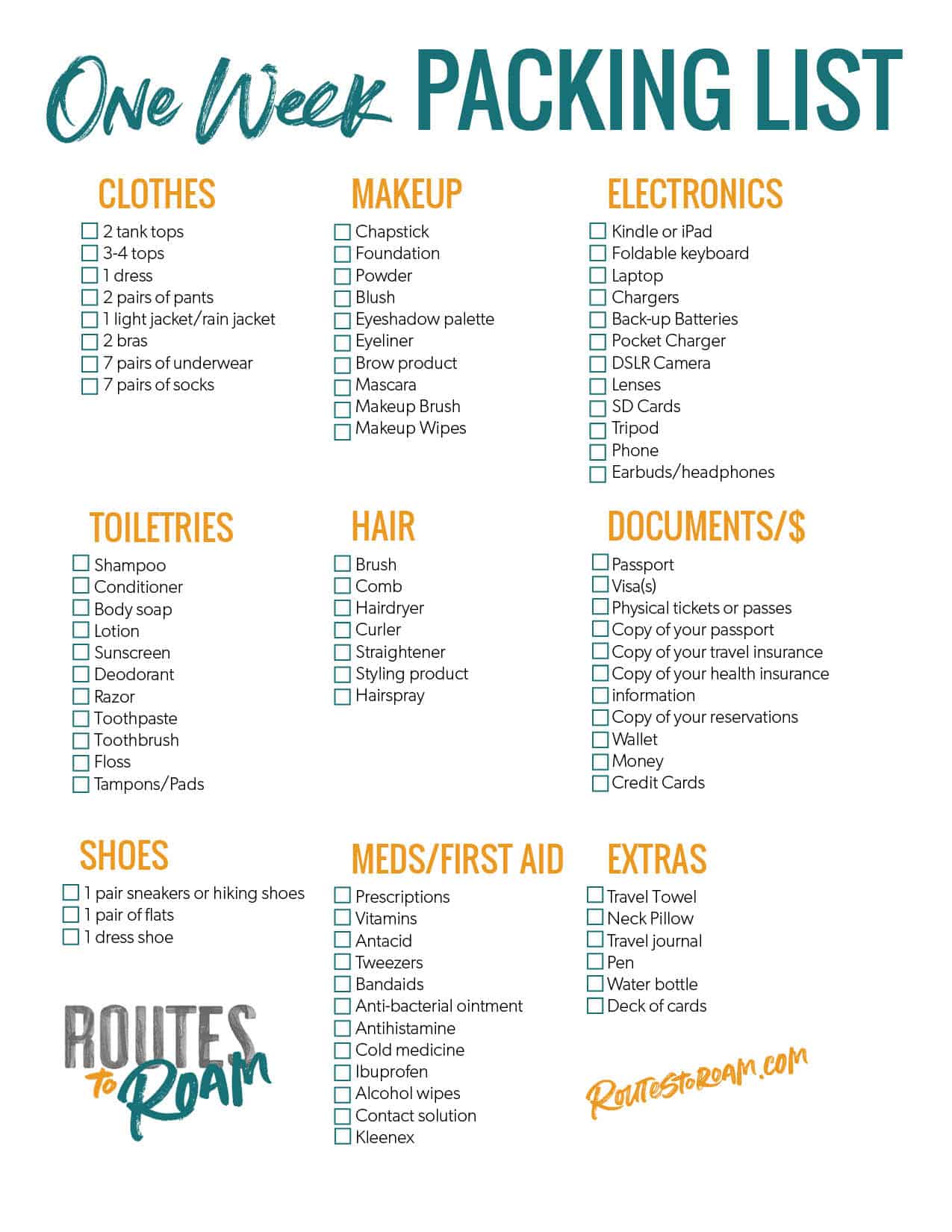
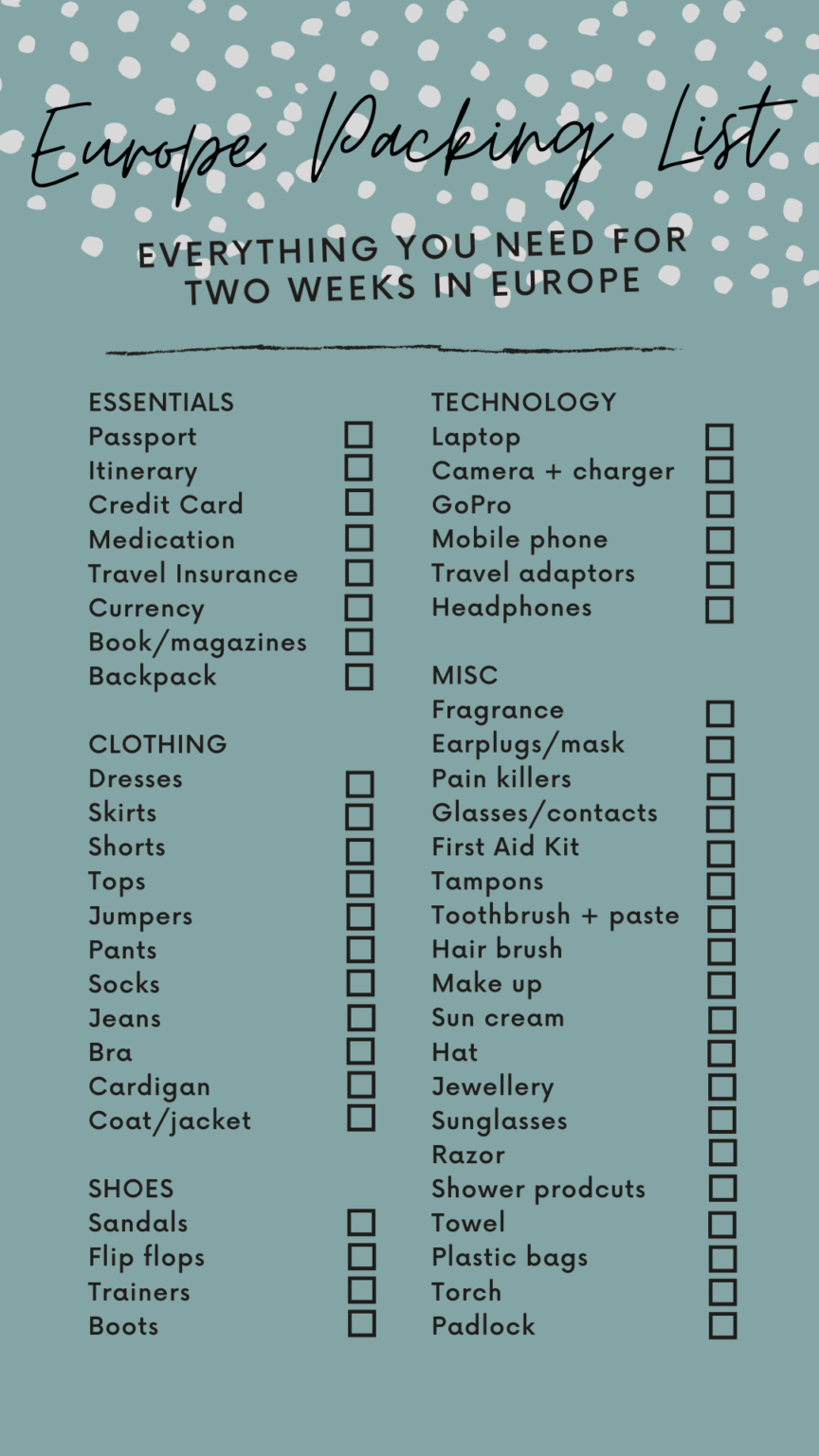
When it comes to packing for a backpacking trip in Texas, it’s essential to be prepared for the state’s varied climate and terrain. Here’s a list of essentials to include:
- Shelter: Tent, sleeping bag, sleeping pad, and ground tarp
- Clothing: Hiking boots, socks, pants, shirts, jacket, hat, and gloves (depending on the season)
- Navigation: Map, compass, and GPS device or smartphone with GPS app
- Hydration: Water bottle or hydration bladder, water purification tablets or filter
- Food: Backpacking stove, fuel, pot, utensils, and food storage containers
- First aid: First aid kit, including bandages, antiseptic wipes, pain relievers, and any personal medications
- Lighting: Headlamp or flashlight, extra batteries
- Personal hygiene: Toothbrush, toothpaste, biodegradable soap, and toilet paper
- Sun protection: Sunscreen, sunglasses, and a hat
- Repair kit: Multi-tool, duct tape, and repair patches for your gear
Expert Tips for Backpacking in Texas
To make the most of your backpacking adventure in Texas, follow these expert tips:
- Check the weather: Texas weather can be unpredictable, so always check the forecast before heading out and be prepared for sudden changes in weather.
- Bring plenty of water: Texas can be hot and dry, so it’s essential to bring enough water for your trip. Consider using a water filter or purification tablets to ensure access to safe drinking water.
- Respect private property: Texas has a lot of private land, so be sure to respect property rights and only hike on designated trails.
- Be prepared for wildlife: Texas is home to many wild animals, including snakes, bears, and mountain lions. Be aware of your surroundings and take necessary precautions to avoid encounters.
- Learn about the local culture: Texas has a rich cultural heritage, so take the time to learn about the history and customs of the areas you visit.
- Bring a map and compass: Even with a GPS device or smartphone, it’s always a good idea to bring a map and compass as a backup.
- Let someone know your itinerary: Before heading out, let someone know your planned route and expected return time.
- Be mindful of the environment: Texas has many sensitive ecosystems, so be sure to follow Leave No Trace principles and minimize your impact on the environment.
Backpacking Safety in Texas
Backpacking in Texas can be safe and enjoyable if you take the necessary precautions. Here are some safety tips to keep in mind:
- Be aware of your surroundings: Pay attention to your environment and watch for potential hazards, such as wildlife, steep drop-offs, and inclement weather.
- Bring a first aid kit: Accidents can happen, so it’s essential to have a first aid kit with you.
- Stay hydrated: Dehydration can be a serious issue in Texas’s hot climate, so be sure to drink plenty of water throughout the day.
- Bring a buddy: Whenever possible, hike with a partner or group to ensure someone is available to help in case of an emergency.
- Let someone know your location: Make sure someone knows your planned route and expected return time, and check in with them regularly.
Backpacking Gear for Texas
When it comes to backpacking gear, Texas’s varied climate and terrain require specific equipment. Here are some essentials to consider:
- Hiking boots: A good pair of hiking boots is essential for backpacking in Texas. Look for boots that are sturdy, waterproof, and provide good ankle support.
- Backpack: A comfortable backpack is essential for carrying all your gear. Look for one that is sturdy, comfortable, and has multiple compartments.
- Sleeping bag: A good sleeping bag will keep you warm and comfortable at night. Look for one that is rated for the expected low temperature and has a comfortable loft.
- Tent: A lightweight tent is essential for backpacking in Texas. Look for one that is waterproof, easy to set up, and has good ventilation.
- Water filter or purification tablets: Having access to safe drinking water is essential. Consider using a water filter or purification tablets to ensure access to safe drinking water.
Conclusion
Backpacking in Texas is an adventure like no other. With its diverse landscapes, rich cultural heritage, and wide range of trails, Texas has something to offer every kind of backpacker. By following the expert tips and guidelines outlined in this article, you’ll be well-prepared for an unforgettable backpacking adventure in the Lone Star State. Remember to respect the environment, be mindful of the local culture, and take the necessary precautions to ensure your safety. Happy trails!