“The Ultimate Backpacking Ireland Guide – Packing Lists, Best Routes, and Expert Tips”
The Ultimate Backpacking Ireland Guide – Packing Lists, Best Routes, and Expert Tips
Ireland, the Emerald Isle, is a backpacker’s paradise. With its lush green landscapes, rugged coastlines, and vibrant culture, Ireland is a destination that will leave you in awe. From the bustling streets of Dublin to the scenic beauty of the Wild Atlantic Way, Ireland has something to offer every kind of traveler. In this ultimate guide, we’ll cover the essentials of backpacking in Ireland, including packing lists, best routes, and expert tips to help you make the most of your adventure.
When to Go
The best time to backpack in Ireland depends on your preference for weather and crowds. The summer months (June to August) are the peak tourist season, with warm weather and long days. However, this is also the busiest time, and prices for accommodations and tourist attractions tend to be higher. If you prefer milder weather and smaller crowds, consider visiting during the shoulder season (April to May or September to October). Winters can be chilly and wet, but if you’re looking for a more budget-friendly option and don’t mind the rain, this can be a great time to explore Ireland’s rugged landscapes.
Packing List
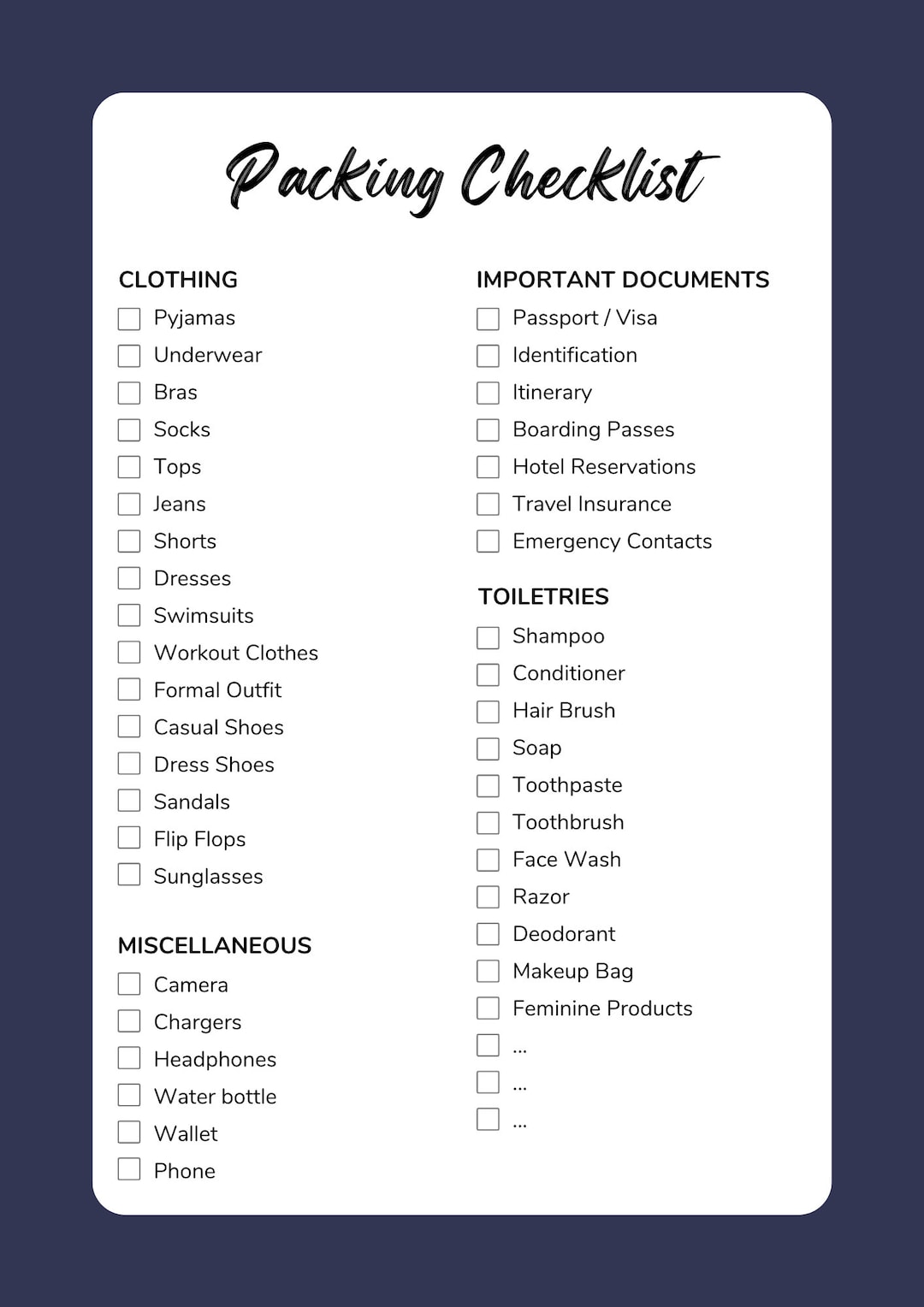
Backpacking in Ireland requires careful planning and packing. Here’s a list of essentials to get you started:
- Clothing:
- Waterproof jacket and pants
- Insulating layers (fleece, wool, or synthetic)
- Base layers (moisture-wicking tops and leggings)
- Comfortable hiking boots or shoes
- Socks and underwear
- Warm hat and gloves (for winter months)
- Quick-drying pants and shorts (for summer months)

- Backpacking Gear:
- Backpack (30-40 liters)
- Sleeping bag and pad (if you plan to camp)
- Tent (if you plan to camp)
- Camping stove and fuel
- Cooking pot and utensils
- Water bottle or hydration bladder
- Water purification tablets or filter (if you plan to drink from streams or lakes)
- Personal Items:
- Toiletries (toothbrush, toothpaste, shampoo, conditioner, etc.)
- First aid kit (with essentials like band-aids, antiseptic wipes, pain relievers, etc.)
- Headlamp or flashlight
- Sunscreen and insect repellent
- Guidebook and map
- Camera and charger (if you want to capture memories)
- Phone and portable charger (if you want to stay connected)
- Travel Documents:
- Passport
- Visa (if required)
- Travel insurance documents
- Driver’s license (if you plan to rent a car)
Best Routes
Ireland has a wealth of backpacking routes to choose from, each with its unique charm and attractions. Here are some of the most popular routes:
- The Wild Atlantic Way: This 2,500 km route runs along Ireland’s west coast, from Derry to Kinsale, and takes you through some of the country’s most stunning landscapes, including the Cliffs of Moher, the Ring of Kerry, and the Dingle Peninsula.
- The Wicklow Way: This 131 km route runs through the Wicklow Mountains, just south of Dublin, and takes you through scenic valleys, glens, and mountains.
- The Kerry Way: This 215 km route runs through County Kerry, taking you through some of Ireland’s most beautiful landscapes, including the Lakes of Killarney, the Gap of Dunloe, and the Dingle Peninsula.
- The West Highland Way (ISH): This 96 km route runs from Galway to Westport, taking you through the rugged landscapes of Connemara and the Mayo coastline.
Expert Tips
Backpacking in Ireland requires some planning and preparation, but with these expert tips, you’ll be well on your way:
- Plan Ahead: Book your accommodations and transportation in advance, especially during peak season.
- Pack Light: Don’t overpack – you’ll be carrying your backpack for long periods, and you don’t want to be weighed down.
- Bring Waterproof Gear: Ireland’s weather can be unpredictable, so make sure you have waterproof gear to keep you dry.
- Respect the Environment: Ireland’s landscapes are fragile and beautiful, so be sure to leave no trace and respect local wildlife.
- Learn About Irish Culture: Ireland has a rich cultural heritage, so take the time to learn about its history, music, and customs.
- Be Prepared for Changeable Weather: Ireland’s weather can change quickly, so be prepared for rain, wind, and sun.
- Don’t Miss the Local Cuisine: Irish food is hearty and delicious, so be sure to try some local specialties like Guinness, Irish stew, and soda bread.
Accommodation
Ireland has a range of accommodation options to suit every budget and preference. Here are some options to consider:
- Hostels: Ireland has a network of hostels, including the An Óige network, which offers affordable and comfortable accommodation.
- Camping: Ireland has many campsites, ranging from basic to luxury, so you can pitch your tent and enjoy the great outdoors.
- B&Bs: Ireland’s B&Bs (bed and breakfasts) are a great way to experience local hospitality and enjoy a hearty breakfast.
- Hotels: Ireland has a range of hotels, from budget-friendly options to luxury resorts, so you can choose the one that suits your budget and style.
Getting Around
Ireland has a well-developed public transportation system, making it easy to get around without a car. Here are some options to consider:
- Bus: Ireland’s bus network, including Bus Éireann and private operators, covers most of the country, including rural areas.
- Train: Ireland’s rail network connects major cities, including Dublin, Cork, and Galway.
- Bike: Ireland is a great country to explore by bike, with scenic routes and bike-friendly roads.
- Walking: Ireland is also a great country to explore on foot, with many scenic hiking trails and walking routes.
- Renting a Car: If you prefer to drive, Ireland has many car rental options, including budget-friendly options like Europcar and Hertz.
Budgeting
Backpacking in Ireland can be affordable, but it’s essential to budget and plan ahead. Here are some estimated costs to consider:
- Accommodation: €20-€50 per night for hostels, €50-€100 per night for B&Bs, and €100-€200 per night for hotels.
- Food: €10-€20 per meal for pub food, €20-€50 per meal for mid-range restaurants, and €50-€100 per meal for fine dining.
- Transportation: €20-€50 per day for bus or train travel, €50-€100 per day for car rental, and €10-€20 per day for bike rental.
- Activities: €10-€20 per person for museum entry, €20-€50 per person for guided tours, and €50-€100 per person for outdoor activities like hiking or surfing.
Conclusion
Backpacking in Ireland is an adventure like no other. With its stunning landscapes, vibrant culture, and friendly locals, Ireland is a destination that will leave you with lifelong memories. By planning ahead, packing wisely, and respecting the environment, you’ll be well on your way to an unforgettable adventure. Whether you’re a seasoned backpacker or just starting out, Ireland has something to offer every kind of traveler. So why wait? Start planning your trip today and get ready to experience the Emerald Isle in all its glory.

