“The Ultimate Backpacking List Guide – Packing Lists, Best Routes, and Expert Tips”
Whether you’re a seasoned hiker or a beginner, a well-planned backpacking trip can be a life-changing experience. In this article, we’ll provide you with the ultimate backpacking list guide, covering essential packing lists, best routes, and expert tips to ensure a safe and enjoyable journey.
Packing Lists: The Essentials
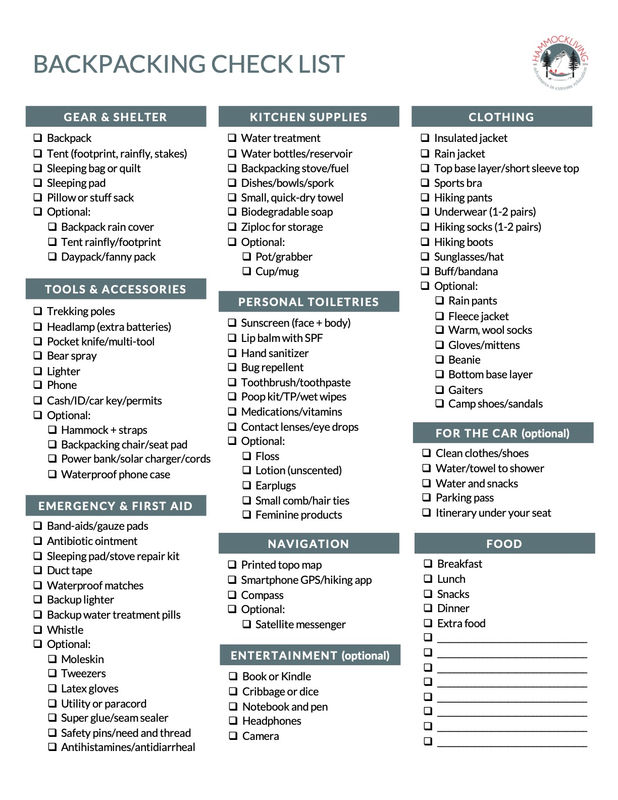
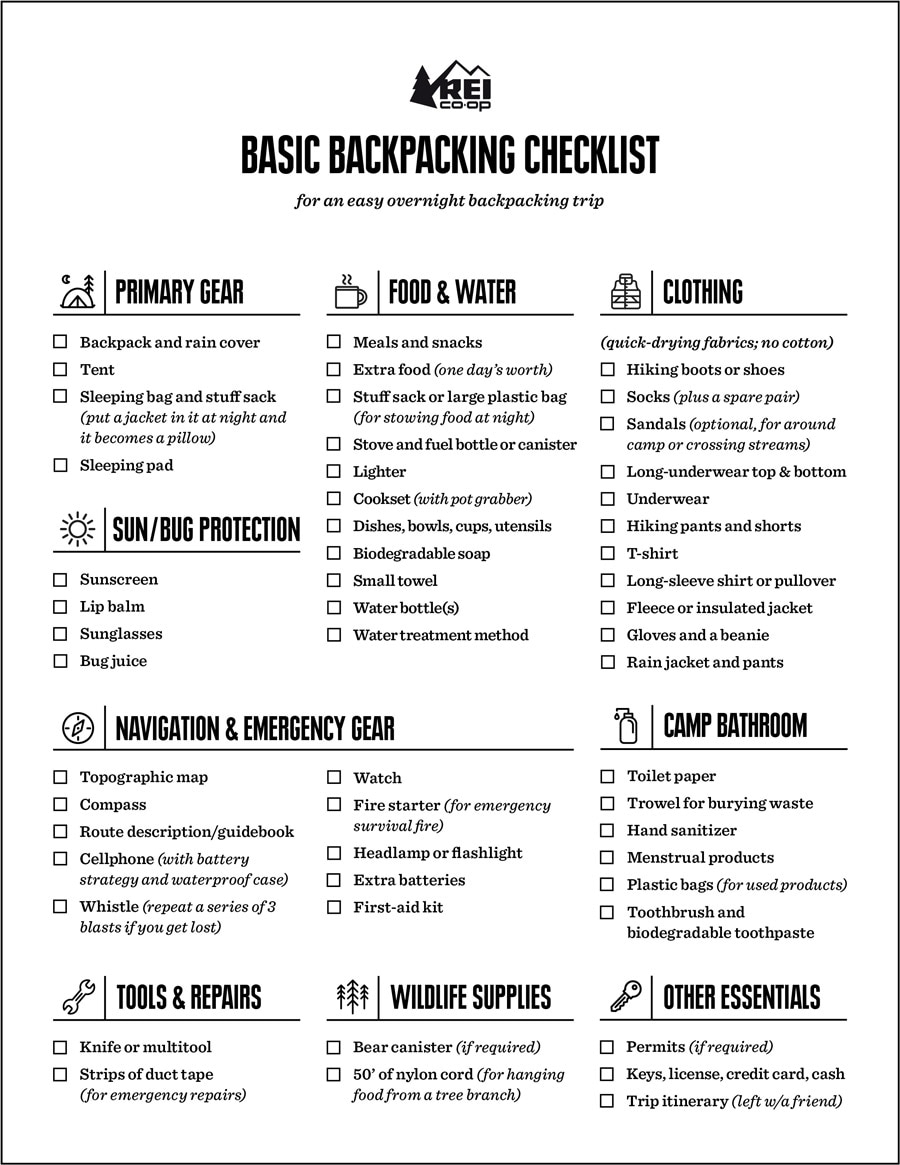
Before you embark on your backpacking adventure, it’s crucial to pack the right gear. Here’s a comprehensive list of essentials to get you started:
- Backpack: A comfortable, sturdy backpack with multiple compartments and pockets to keep your gear organized.
- Shelter: A lightweight tent, rain fly, and ground cloth to keep you dry and protected from the elements.
- Sleeping Bag and Pad: A warm, insulated sleeping bag and a comfortable sleeping pad to ensure a good night’s sleep.
- Clothing: Pack layers of breathable, moisture-wicking clothing, including a base layer, insulating layer, and waterproof jacket.
- Footwear: Sturdy, waterproof hiking boots or trail running shoes with good traction and ankle support.
- Navigation Tools: A map, compass, and GPS device or smartphone with a GPS app to help you stay on track.
- First Aid Kit: A basic first aid kit with bandages, antiseptic wipes, pain relievers, and any personal medications.
- Hydration: A water filter or purification tablets, and a hydration bladder or water bottle to stay hydrated.
- Food and Cooking Gear: A portable stove, fuel, and cooking pot, as well as a selection of high-energy foods, such as trail mix, dried fruits, and jerky.
- Headlamp and Extra Batteries: A reliable headlamp and extra batteries to provide light after dark.
- Personal Hygiene Items: Biodegradable soap, toothbrush, and toilet paper to maintain personal hygiene.
- Emergency Shelter and Warmth: A lightweight emergency blanket and a warm hat to stay warm in case of an unexpected overnight stay.
Best Routes: Popular Backpacking Destinations
With thousands of backpacking routes to choose from, it can be daunting to decide where to go. Here are some of the most popular backpacking destinations in the world:
- Appalachian Trail, USA: A 2,190-mile trail that stretches from Georgia to Maine, offering stunning mountain scenery and diverse wildlife.
- John Muir Trail, USA: A 211-mile trail that runs through California’s Sierra Nevada mountain range, featuring breathtaking Alpine landscapes and abundant wildlife.
- Inca Trail, Peru: A 26-mile trail that leads to the Sun Gate and Machu Picchu, one of the Seven Wonders of the World.
- Tour du Mont Blanc, Europe: A 103-mile trail that circumnavigates the highest peak in the Alps, offering breathtaking mountain scenery and picturesque villages.
- Milford Track, New Zealand: A 33-mile trail that winds through the stunning fjords and mountain ranges of Fiordland National Park.
Expert Tips: Safety, Navigation, and Wilderness Skills
Backpacking requires a range of skills and knowledge to ensure a safe and enjoyable journey. Here are some expert tips to keep in mind:
- Check the Weather: Always check the weather forecast before you leave and be prepared for changing conditions.
- Stay Hydrated: Drink plenty of water throughout the day to avoid dehydration and heat exhaustion.
- Bring a Map and Compass: Even with a GPS device, it’s essential to bring a map and compass as a backup in case of an emergency.
- Know Your Limits: Be honest about your physical abilities and don’t take on more than you can handle.
- Respect the Environment: Follow the principles of Leave No Trace and minimize your impact on the environment.
- Learn Basic First Aid: Take a first aid course and learn how to treat common injuries and illnesses.
- Bring a Personal Locator Beacon (PLB): A PLB can be a lifesaver in case of a serious emergency and help rescuers locate you.
Wilderness Skills: Foraging, Fishing, and Shelter Building
For experienced backpackers, learning wilderness skills can enhance your adventure and provide a deeper connection with nature. Here are some essential skills to learn:
- Foraging: Learn how to identify edible plants and berries, and how to forage for food sustainably.
- Fishing: Bring a portable fishing kit and learn how to catch fish in lakes, rivers, and streams.
- Shelter Building: Learn how to build a shelter using natural materials, such as branches, leaves, and snow.
- Fire Starting: Learn how to start a fire using flint and steel, matches, or a lighter, and how to build a safe and efficient campfire.
Backpacking on a Budget: Tips and Tricks
Backpacking doesn’t have to break the bank. Here are some tips and tricks for backpacking on a budget:
- Buy Second-Hand Gear: Thrift stores, online marketplaces, and gear swaps are great places to find affordable, used gear.
- Plan Your Trip in the Off-Season: Avoid peak season prices and crowds by planning your trip during the off-season.
- Cook Your Own Meals: Instead of eating at restaurants or cafes, cook your own meals using a portable stove and ingredients from local markets.
- Camp for Free: Look for free camping spots, such as national forests, Bureau of Land Management (BLM) lands, and rest areas.
Conclusion
Backpacking is an incredible adventure that offers a unique opportunity to connect with nature, challenge yourself, and experience the thrill of the unknown. With this ultimate backpacking list guide, you’ll be well-prepared for your next adventure, whether you’re a seasoned hiker or a beginner. Remember to always pack the essentials, choose a route that suits your abilities, and learn the skills and knowledge needed to stay safe and enjoy the journey. Happy backpacking!

