“The Ultimate Backpacking Menus Guide – Packing Lists, Best Routes, and Expert Tips”
A well-planned backpacking menu can make all the difference in keeping you energized and satisfied on the trail. In this comprehensive guide, we’ll cover the basics of backpacking menus, provide packing lists, recommend the best routes, and share expert tips to help you make the most of your next adventure.
Understanding Backpacking Nutrition
When planning your backpacking menu, it’s essential to consider your nutritional needs. Backpacking requires a significant amount of energy, and your diet should reflect this. Aim to consume between 2,500 to 4,000 calories per day, depending on your activity level, weight, and climate. Your menu should include a balanced mix of carbohydrates, protein, and healthy fats to keep you fueled and satisfied.
Backpacking Menu Planning
Menu planning is critical to a successful backpacking trip. Consider the following factors when planning your menu:
- Duration: Plan your menu according to the length of your trip. For shorter trips, you can bring more perishable items, while longer trips require non-perishable foods.
- Climate: Adjust your menu according to the climate and temperature. For example, in hot weather, opt for lightweight, high-energy foods like dried fruits and nuts.
- Personal Preferences: Choose foods that you enjoy and that fit your dietary needs. If you have specific dietary restrictions, such as gluten-free or vegan, plan accordingly.
- Food Weight and Volume: Consider the weight and volume of your food when planning your menu. Aim for lightweight, compact options that won’t weigh you down.
Packing List Essentials
Here’s a basic packing list to get you started:
- Breakfast
- Instant oatmeal
- Energy bars
- Dried fruits and nuts
- Powdered milk or instant coffee
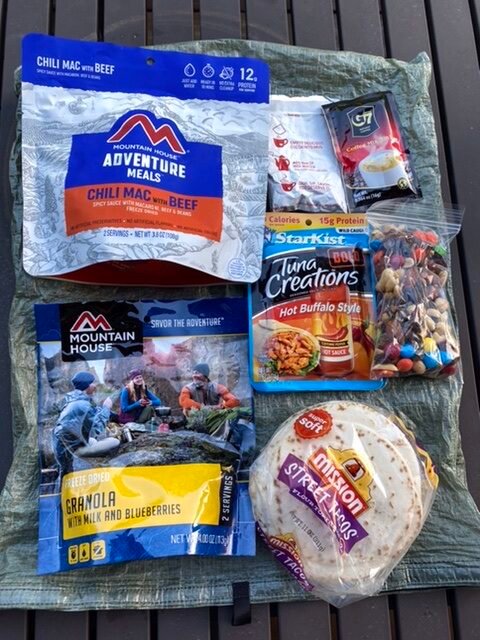
- Lunch
- Whole grain crackers or tortillas
- Canned tuna or chicken
- Peanut butter or hummus
- Dried fruits and nuts
- Dinner
- Instant soups or stews
- Freeze-dried meals
- Canned goods (beans, vegetables, or meats)
- Whole grain pasta or rice
- Snacks
- Trail mix
- Energy bars
- Dried fruits and nuts
- Jerky or other dried meats
- Beverages
- Water purification tablets or filter
- Instant coffee or tea
- Powdered drink mixes
Best Backpacking Routes
The United States offers some of the most spectacular backpacking routes in the world. Here are a few popular options:
- Appalachian Trail: Spanning over 2,190 miles, the Appalachian Trail stretches from Georgia to Maine, offering breathtaking scenery and varied terrain.
- Pacific Crest Trail: This 2,650-mile trail runs from California to Washington, passing through the Sierra Nevada and Cascade mountain ranges.
- Continental Divide Trail: At 3,100 miles, this trail stretches from New Mexico to Montana, offering stunning mountain vistas and diverse ecosystems.
- John Muir Trail: Located in California, this 211-mile trail runs through the Sierra Nevada mountain range, offering breathtaking scenery and picturesque valleys.
Expert Tips
Here are some expert tips to help you make the most of your backpacking menu:
- Plan Ahead: Research your route and plan your menu accordingly. Consider factors like weather, terrain, and water availability.
- Pack Light: Choose lightweight, compact food options to minimize your pack weight.
- Stay Hydrated: Bring a water filter or purification tablets to ensure access to safe drinking water.
- Be Flexible: Be prepared to adjust your menu if unexpected weather or terrain changes occur.
- Bring a Camp Stove: A camp stove can be a lifesaver on long trips, allowing you to cook hot meals and boil water.
- Store Food Properly: Keep your food stored in airtight containers to prevent spoilage and attract wildlife.
- Bring a First Aid Kit: A first aid kit can help you treat minor injuries and illnesses, such as food poisoning or allergic reactions.
Food Preparation and Storage
Proper food preparation and storage are crucial to a successful backpacking trip. Here are some tips:
- Repackage Food: Repackage food items in airtight containers or ziplock bags to minimize weight and volume.
- Use a Food Bag: Use a dedicated food bag to store and carry your food, keeping it organized and protected from the elements.
- Keep Food Away from Camp: Store your food away from your campsite to avoid attracting wildlife and minimizing the risk of food theft.
- Use Bear-Resistant Containers: In areas with bear activity, use bear-resistant containers to store your food and keep it safe.
Conclusion
Backpacking is an incredible way to experience the great outdoors, and a well-planned menu can make all the difference. By considering your nutritional needs, planning your menu, and packing the right foods, you’ll be well on your way to a successful and enjoyable trip. Remember to stay flexible, be prepared, and enjoy the journey! With these tips and guidelines, you’ll be ready to hit the trails and explore the beauty of nature with confidence.
Additional Resources
For more information on backpacking menus, routes, and expert tips, check out these resources:
- Backpacker Magazine: A leading publication for backpackers, offering gear reviews, route guides, and menu planning tips.
- REI: A popular outdoor retailer, offering a wide range of backpacking gear, clothing, and accessories.
- The Backpacker’s Handbook: A comprehensive guide to backpacking, covering topics like menu planning, gear selection, and safety protocols.
By following these guidelines and tips, you’ll be well on your way to creating a backpacking menu that will fuel your next adventure and leave you feeling satisfied and inspired. Happy trails!

