“Essential Guide to Backpacking Camping Gear Hiking Sleeping – Tips, Destinations, and Expert Advice”
Whether you’re a seasoned hiker or just starting out, having the right gear, knowledge, and skills is essential for a safe and enjoyable journey. In this comprehensive guide, we’ll cover the basics of backpacking, camping, hiking, and sleeping, as well as provide expert advice, tips, and recommendations for destinations and gear.
Backpacking Basics
Before you start planning your backpacking trip, it’s essential to understand the basics of this activity. Backpacking involves carrying all your gear, including food, water, shelter, and clothing, on your back, and hiking to a campsite or destination. The goal is to be self-sufficient and independent, with the ability to navigate and survive in the wilderness.
To get started, you’ll need to invest in some basic gear, including:
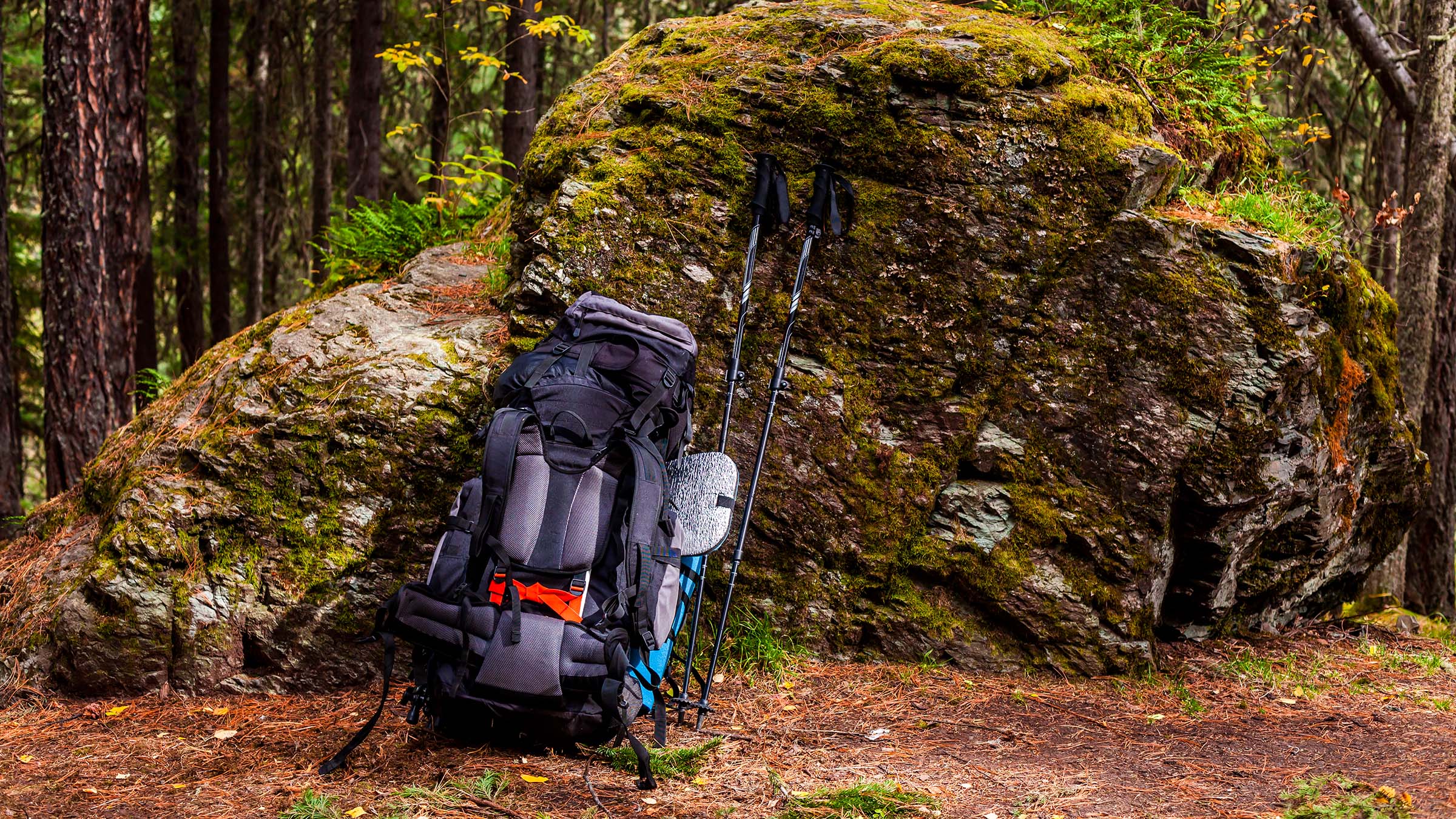
- Backpack: A comfortable, sturdy backpack with multiple compartments and pockets to keep your gear organized.
- Tent: A waterproof, durable tent that can withstand wind, rain, and snow.
- Sleeping Bag: A warm, insulated sleeping bag that can keep you comfortable in cold temperatures.
- Sleeping Pad: A lightweight, inflatable sleeping pad that provides extra comfort and insulation.
- Clothing: Pack layers of breathable, moisture-wicking clothing that can keep you warm and dry in varying weather conditions.
- Footwear: Sturdy, waterproof hiking boots or trail running shoes with good traction and ankle support.
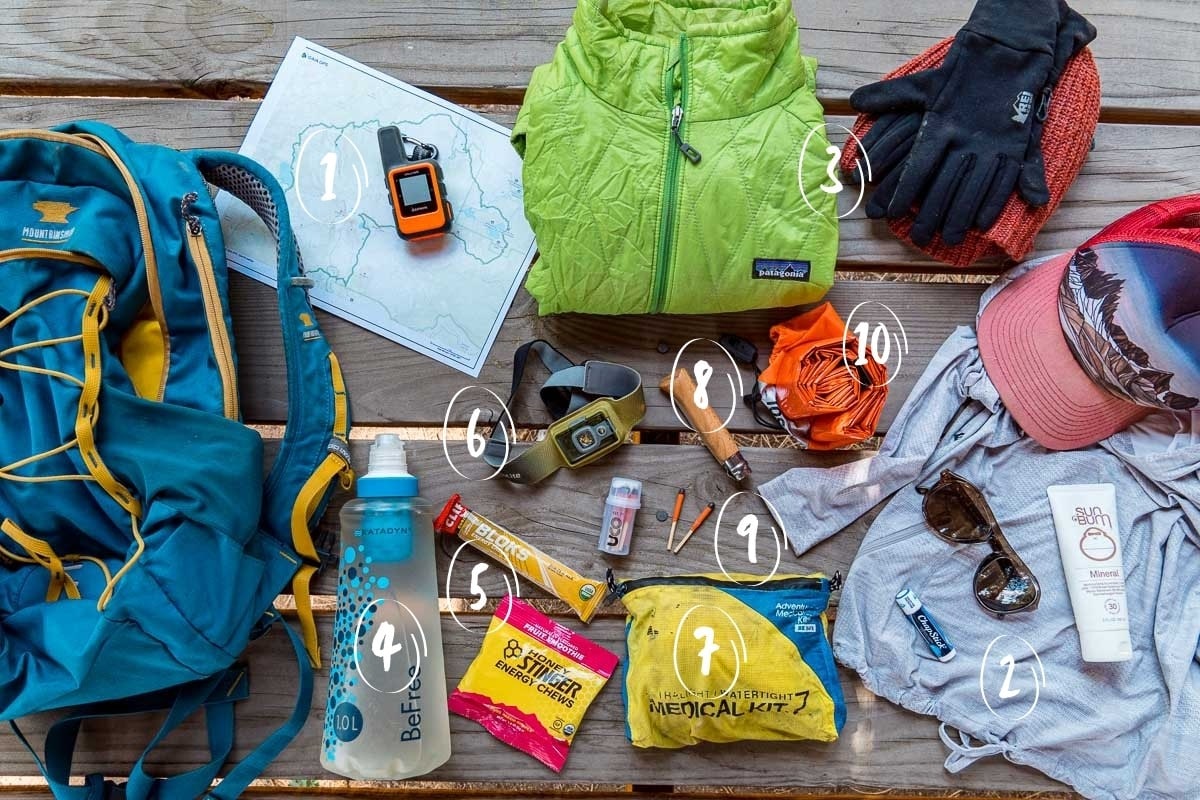
- Navigation: A map, compass, and GPS device or smartphone app to help you navigate the trail.
- First Aid Kit: A basic first aid kit with supplies for treating minor injuries and illnesses.
- Headlamp: A lightweight, battery-powered headlamp for nighttime navigation and camp activities.
- Water Bottle or Hydration Bladder: A water bottle or hydration bladder that can hold at least 2 liters of water.
Camping and Hiking Tips
Once you have the basic gear, it’s time to start planning your trip. Here are some tips to keep in mind:
- Plan Ahead: Research your destination, trail conditions, and weather forecast before you go.
- Check the Weather: Be prepared for changing weather conditions, and pack gear accordingly.
- Start Early: Begin your hike early in the morning to avoid heat, crowds, and potential thunderstorms.
- Stay Hydrated: Drink plenty of water throughout the day, and avoid dehydration by eating electrolyte-rich foods.
- Bring a Map and Compass: Even with a GPS device or smartphone app, it’s always a good idea to bring a map and compass as a backup.
- Be Prepared for Emergencies: Know what to do in case of an emergency, and carry a basic first aid kit and emergency shelter.
- Respect the Environment: Follow Leave No Trace principles, and do your part to minimize your impact on the environment.
Hiking and Backpacking Destinations
The United States is home to some of the most beautiful and diverse hiking and backpacking destinations in the world. Here are some popular options to consider:
- Appalachian Trail: A 2,190-mile trail that spans from Georgia to Maine, with stunning scenic views and challenging terrain.
- John Muir Trail: A 211-mile trail that runs through California’s Sierra Nevada mountains, with breathtaking views of Yosemite National Park.
- Continental Divide Trail: A 3,100-mile trail that spans from New Mexico to Montana, with rugged terrain and stunning mountain vistas.
- Yellowstone National Park: A 2.2 million-acre park with geysers, hot springs, and an abundance of wildlife.
- Grand Canyon National Park: A 1.2 million-acre park with one of the most iconic natural wonders in the United States.
- Zion National Park: A 229-square-mile park with unique rock formations, canyons, and scenic hiking trails.
- Great Smoky Mountains National Park: A 522,426-acre park with rolling hills, forests, and stunning mountain vistas.
Sleeping and Camping Tips
After a long day of hiking, a good night’s sleep is essential for recharging your batteries. Here are some tips for sleeping and camping:
- Choose a Flat Spot: Look for a flat spot with good drainage, and avoid areas with rocks, roots, or other obstacles.
- Set Up Your Tent: Follow the manufacturer’s instructions for setting up your tent, and make sure it’s securely staked down.
- Use a Sleeping Pad: A sleeping pad can provide extra comfort and insulation, and help you stay warm in cold temperatures.
- Bring a Warm Sleeping Bag: A warm sleeping bag can keep you comfortable in cold temperatures, and help you get a good night’s sleep.
- Keep a Clean Campsite: Keep your campsite clean and organized, and make sure to dispose of waste and trash properly.
- Be Aware of Your Surroundings: Be aware of your surroundings, and take necessary precautions to avoid wildlife encounters and other hazards.
Expert Advice
We spoke with some experienced backpackers and outdoor enthusiasts to get their advice and tips for backpacking and camping. Here’s what they had to say:
- Pack Light: "The key to a successful backpacking trip is to pack light," says experienced backpacker, John. "You don’t need to bring everything, just the essentials."
- Be Prepared: "Always be prepared for emergencies," says outdoor enthusiast, Sarah. "Bring a first aid kit, a map, and a compass, and know how to use them."
- Respect the Environment: "Leave No Trace is more than just a slogan," says environmentalist, Mark. "It’s a way of life. Always respect the environment, and do your part to minimize your impact."
- Stay Hydrated: "Staying hydrated is essential for a successful backpacking trip," says experienced hiker, Emily. "Drink plenty of water, and avoid dehydration by eating electrolyte-rich foods."
- Take Your Time: "Don’t rush," says backpacker, David. "Take your time, and enjoy the scenery. Backpacking is about the journey, not just the destination."
Conclusion
Backpacking and camping are exciting and rewarding outdoor activities that allow you to connect with nature, challenge yourself physically, and experience the thrill of adventure. With the right gear, knowledge, and skills, you can have a safe and enjoyable journey. Remember to plan ahead, pack light, and respect the environment, and always be prepared for emergencies. Whether you’re a seasoned hiker or just starting out, we hope this guide has provided you with the tips, advice, and inspiration you need to get out there and start exploring.
Additional Resources
For more information on backpacking, camping, and hiking, check out these additional resources:
- National Park Service: The official website of the National Park Service, with information on national parks, trails, and outdoor activities.
- REI: The official website of REI, with information on outdoor gear, camping, and hiking.
- Backpacker Magazine: A magazine dedicated to backpacking, camping, and hiking, with articles, gear reviews, and trip ideas.
- Leave No Trace: A non-profit organization dedicated to promoting sustainable outdoor recreation and minimizing human impact on the environment.
- American Hiking Society: A non-profit organization dedicated to promoting hiking, backpacking, and outdoor recreation, with information on trails, gear, and outdoor skills.

