“The Ultimate Backpacking Gear Guide – Packing Lists, Best Routes, and Expert Tips”
However, to ensure a safe and enjoyable journey, it’s essential to be well-prepared with the right gear, knowledge, and planning. In this comprehensive guide, we’ll cover the essential packing lists, recommend the best routes, and share expert tips to help you embark on a successful backpacking trip.
Packing Lists: The Essentials
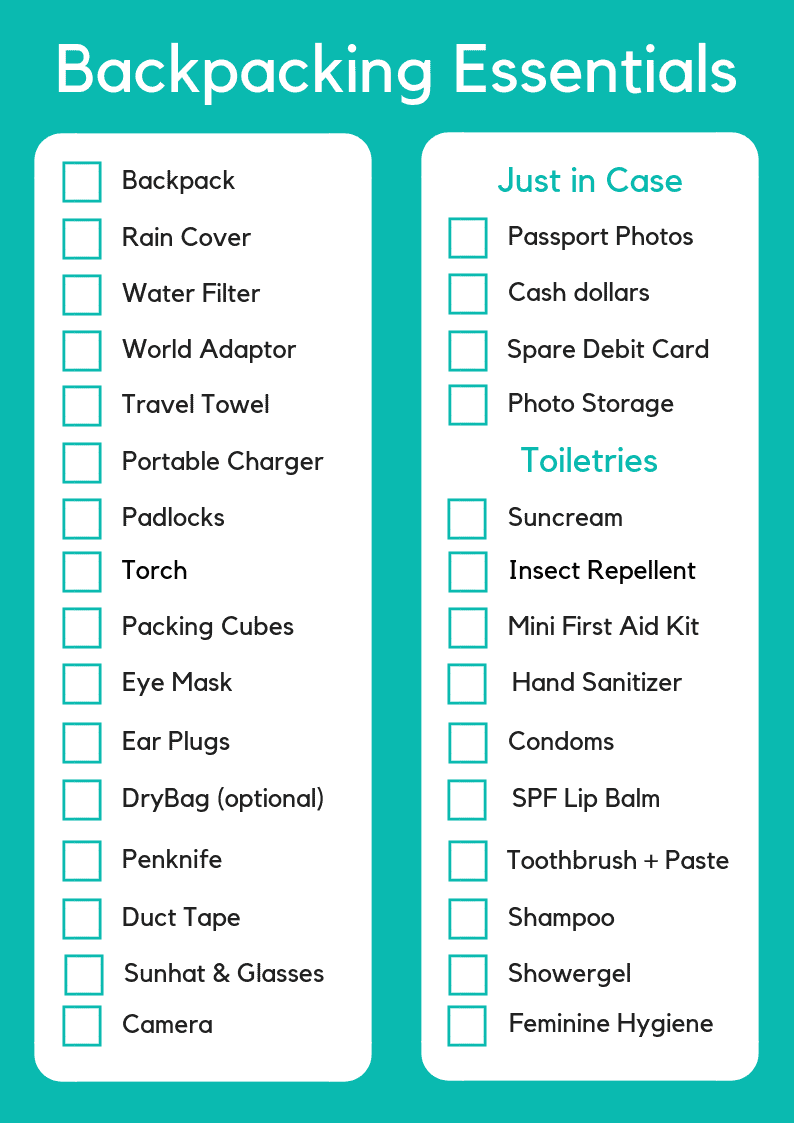
Before you start packing, it’s crucial to consider the length of your trip, the terrain, and the weather conditions. Here’s a list of essentials to get you started:
- Backpack: A sturdy, comfortable backpack with multiple compartments and pockets to keep your gear organized.
- Shelter: A lightweight tent, sleeping bag, and sleeping pad to provide adequate protection from the elements.
- Clothing: Pack layers of breathable, moisture-wicking clothing, including a base layer, insulating layer, and waterproof jacket.
- Footwear: Sturdy, waterproof hiking boots or trail running shoes with good tread and ankle support.
- Navigation: A map, compass, and GPS device or smartphone with a GPS app to help you stay on track.
- First Aid Kit: A basic first aid kit with bandages, antiseptic wipes, pain relievers, and any personal medications.
- Hydration: A water filter or purification tablets, and a hydration bladder or water bottle to stay hydrated.
- Food: Non-perishable, high-calorie food options, such as energy bars, nuts, and dried fruit.
- Cooking Gear: A portable stove, fuel, and cooking pot to prepare meals.
- Personal Hygiene: Biodegradable soap, toothbrush, and toothpaste to maintain personal hygiene.
Best Routes: Popular Backpacking Destinations

From the rugged mountains to the scenic coastlines, there are countless backpacking routes to explore around the world. Here are some popular destinations to consider:
- The Appalachian Trail: Stretching over 2,000 miles from Georgia to Maine, this iconic trail offers breathtaking scenery and challenging terrain.
- The Pacific Crest Trail: Spanning over 2,600 miles from California to Washington, this trail takes you through diverse landscapes, including deserts, mountains, and forests.
- The John Muir Trail: Located in California’s Sierra Nevada mountains, this 211-mile trail offers stunning views of alpine lakes, meadows, and mountain peaks.
- The Inca Trail: This 26-mile trail in Peru leads to the ancient Inca city of Machuigenicchu, offering a unique cultural and historical experience.
- The Tour du Mont Blanc: This 103-mile trail in the European Alps takes you through France, Italy, and Switzerland, offering breathtaking views of glaciers, valleys, and mountain peaks.
Expert Tips: Safety and Preparation
Before embarking on your backpacking adventure, it’s essential to consider safety and preparation. Here are some expert tips to keep in mind:
- Check the Weather: Always check the weather forecast before heading out, and be prepared for changing conditions.
- Let Someone Know Your Itinerary: Inform a friend or family member of your route, expected return time, and emergency contact information.
- Bring a Buddy: Whenever possible, hike with a partner or group to ensure help is available in case of an emergency.
- Stay Hydrated: Drink plenty of water throughout the day, and avoid hiking during the hottest part of the day.
- Respect the Environment: Follow the principles of Leave No Trace, and avoid damaging the environment or disturbing wildlife.
- Be Prepared for Emergencies: Carry a first aid kit, know basic first aid techniques, and have a plan for emergency situations, such as a map, compass, and whistle.
- Stay Alert: Pay attention to your surroundings, and be aware of potential hazards, such as wildlife, steep slopes, and inclement weather.
Additional Tips: Food, Water, and Navigation
- Food Storage: Keep food and trash secure to avoid attracting wildlife, and store them in airtight containers.
- Water Purification: Use a water filter or purification tablets to ensure safe drinking water, and avoid drinking from untreated sources.
- Navigation Techniques: Learn basic navigation techniques, such as using a map and compass, and understand how to read trail signs and blazes.
- GPS Devices: Use a GPS device or smartphone with a GPS app to stay on track, but always bring a map and compass as a backup.
- Trail Etiquette: Respect other hikers, and follow basic trail etiquette, such as yielding to other users, and staying on designated trails.
Conclusion
Backpacking is an exhilarating adventure that requires careful planning, preparation, and attention to safety. By following the packing lists, best routes, and expert tips outlined in this guide, you’ll be well-equipped to embark on a successful and enjoyable journey. Remember to stay flexible, be prepared for emergencies, and respect the environment and other trail users. With the right mindset and gear, you’ll be ready to take on the challenges and rewards of backpacking, and create lifelong memories in the great outdoors.
Final Checklist
Before you head out, make sure to:
- Check the weather forecast
- Inform someone of your itinerary
- Pack essential gear, including food, water, and first aid kit
- Bring a map, compass, and GPS device
- Respect the environment and other trail users
- Stay hydrated and take regular breaks
- Be prepared for emergencies and know basic first aid techniques
By following this guide and taking the necessary precautions, you’ll be well on your way to a safe and enjoyable backpacking adventure. Happy trails!

