“The Ultimate Backpacking Boot Guide – Packing Lists, Best Routes, and Expert Tips”
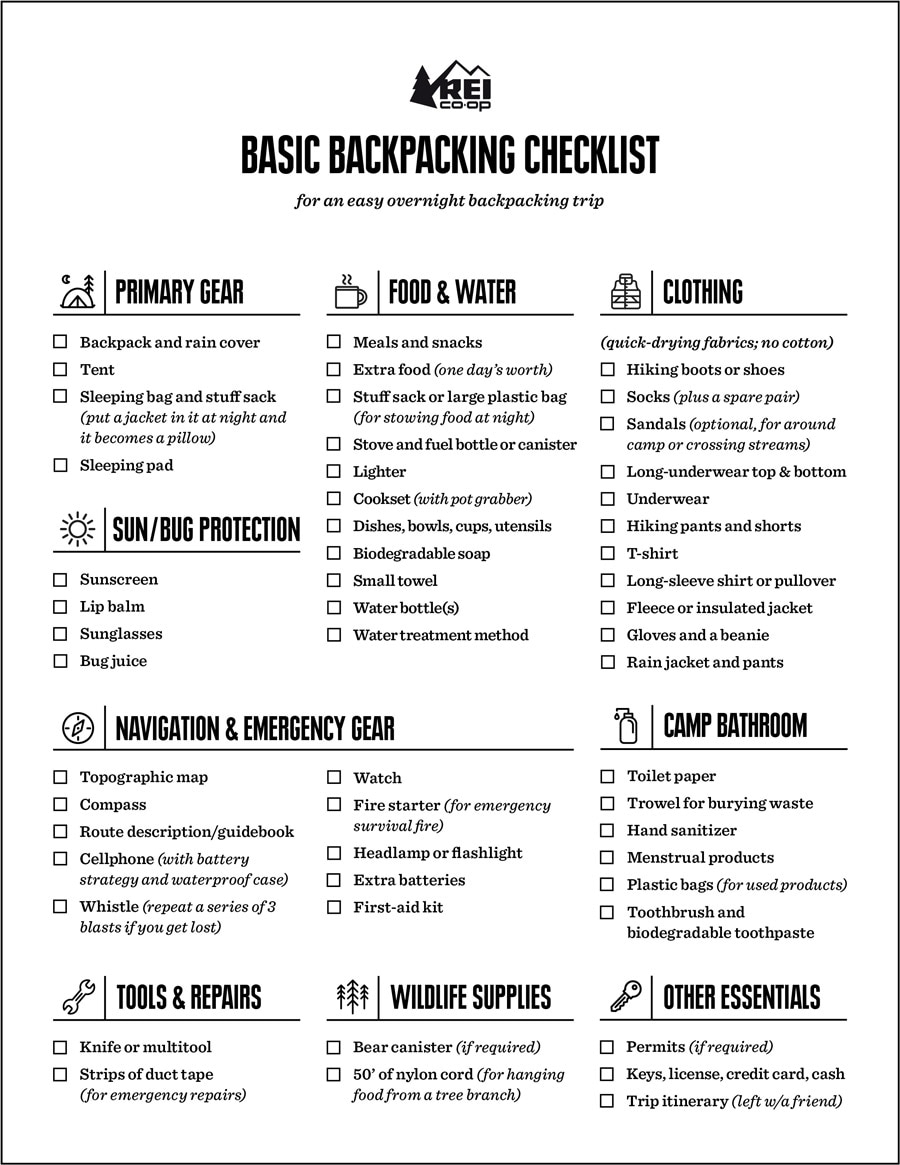
You’ll want to strike a balance between bringing enough gear to stay safe and comfortable, while also keeping your pack light and manageable. Here are the essentials to include:
- Shelter: A lightweight tent, sleeping bag, and sleeping pad to keep you dry and warm.
- Clothing: Pack layers of breathable, moisture-wicking clothing, including a base layer, mid-layer, and waterproof jacket.
- Footwear: Sturdy, waterproof hiking boots with good tread and ankle support.
- Navigation: A map, compass, and GPS device or smartphone with GPS app.
- First Aid: A basic first aid kit with bandages, antiseptic wipes, pain relievers, and any personal medications.
- Hydration: A water filter or purification tablets, and a water bottle or hydration bladder.
- Food: A portable stove, fuel, and cooking pot, as well as non-perishable food and a water bottle.
- Headlamp: A reliable headlamp or flashlight with extra batteries.
- Personal Hygiene: Biodegradable soap, toilet paper, and hand sanitizer.
- Emergency Kit: A small kit with a whistle, fire starter, and emergency shelter.
Best Routes: Iconic Trails and Hidden Gems
With so many incredible backpacking routes around the world, it can be hard to choose just one. Here are some of the most iconic and spectacular trails to consider:
- Appalachian Trail (USA): Stretching over 2,190 miles from Georgia to Maine, this epic trail takes you through stunning mountain scenery and picturesque towns.
- Inca Trail (Peru): Follow in the footsteps of the Incas on this 4-day, 26-mile trek to Machu Picchu, one of the Seven Wonders of the World.
- John Muir Trail (USA): This 211-mile trail in California’s Sierra Nevada mountain range offers breathtaking views of Yosemite National Park and the High Sierra.
- Tour du Mont Blanc (France, Italy, Switzerland): Circle the highest peak in the Alps on this 103-mile, 7-10 day trek through three countries.
- Annapurna Circuit (Nepal): This 145-mile, 14-21 day trek takes you through the stunning Himalayan Mountains, with breathtaking views of towering peaks and traditional villages.


Expert Tips and Tricks
To make the most of your backpacking trip, here are some expert tips and tricks to keep in mind:
- Train and Condition: Start training and conditioning at least 2-3 months before your trip to build up your endurance and strength.
- Pack Light: Aim to keep your pack weight under 30 pounds to avoid fatigue and injury.
- Choose the Right Gear: Invest in high-quality, durable gear that will withstand the elements and heavy use.
- Plan and Prepare: Research your route, check the weather forecast, and plan your itinerary carefully to avoid unexpected surprises.
- Stay Hydrated and Nourished: Drink plenty of water and eat a balanced diet to maintain your energy levels and overall health.
- Respect the Environment: Follow Leave No Trace principles to minimize your impact on the environment and preserve the natural beauty of the trail.
- Stay Safe: Be aware of potential hazards such as inclement weather, wildlife, and steep terrain, and take necessary precautions to stay safe.
Backpacking Styles: Thru-Hiking, Section Hiking, and Ultralight
There are many different backpacking styles to choose from, depending on your goals, experience level, and personal preferences. Here are a few popular options:
- Thru-Hiking: Hike an entire trail from start to finish, often taking several weeks or months to complete.
- Section Hiking: Hike a trail in sections, breaking up the trip into shorter, more manageable segments.
- Ultralight: Emphasize lightweight gear and minimalism to reduce pack weight and increase mobility.
Safety Considerations: Risks and Precautions
Backpacking can be a safe and enjoyable activity, but it’s essential to be aware of potential risks and take necessary precautions. Here are some safety considerations to keep in mind:
- Weather: Check the forecast and be prepared for changing conditions, including rain, snow, and extreme temperatures.
- Wildlife: Be aware of potential wildlife encounters, such as bears, snakes, and mountain lions, and take necessary precautions to avoid them.
- Steep Terrain: Use caution when hiking on steep or unstable terrain, and consider using trekking poles or other safety equipment.
- Altitude Sickness: Be aware of the symptoms of altitude sickness, such as headaches and nausea, and take necessary precautions to avoid it.
- Dehydration and Heat Exhaustion: Drink plenty of water and take regular breaks to avoid dehydration and heat exhaustion.
Physical and Mental Preparation: Getting Ready for the Challenge
Backpacking can be a physically and mentally demanding activity, requiring a high level of fitness, endurance, and mental toughness. Here are some tips for physical and mental preparation:
- Start Training Early: Begin training and conditioning at least 2-3 months before your trip to build up your endurance and strength.
- Incorporate Cardio and Strength Training: Include a mix of cardio and strength training in your workout routine to improve your overall fitness and endurance.
- Mental Preparation: Practice mindfulness, meditation, and positive self-talk to build your mental toughness and resilience.
- Get Enough Rest and Recovery: Allow for adequate rest and recovery time to avoid burnout and prevent injury.
Conclusion: Embarking on the Adventure of a Lifetime
Backpacking is an incredible way to challenge yourself, explore the great outdoors, and experience the thrill of adventure. With careful planning, preparation, and attention to safety, you can embark on the trip of a lifetime and create unforgettable memories. Whether you’re a seasoned backpacker or just starting out, this guide has provided you with the knowledge, skills, and inspiration to take on the trail and make the most of your backpacking experience. So lace up your boots, grab your pack, and hit the trail – the adventure of a lifetime awaits!