“The Ultimate Backpacking Experience Guide – Packing Lists, Best Routes, and Expert Tips”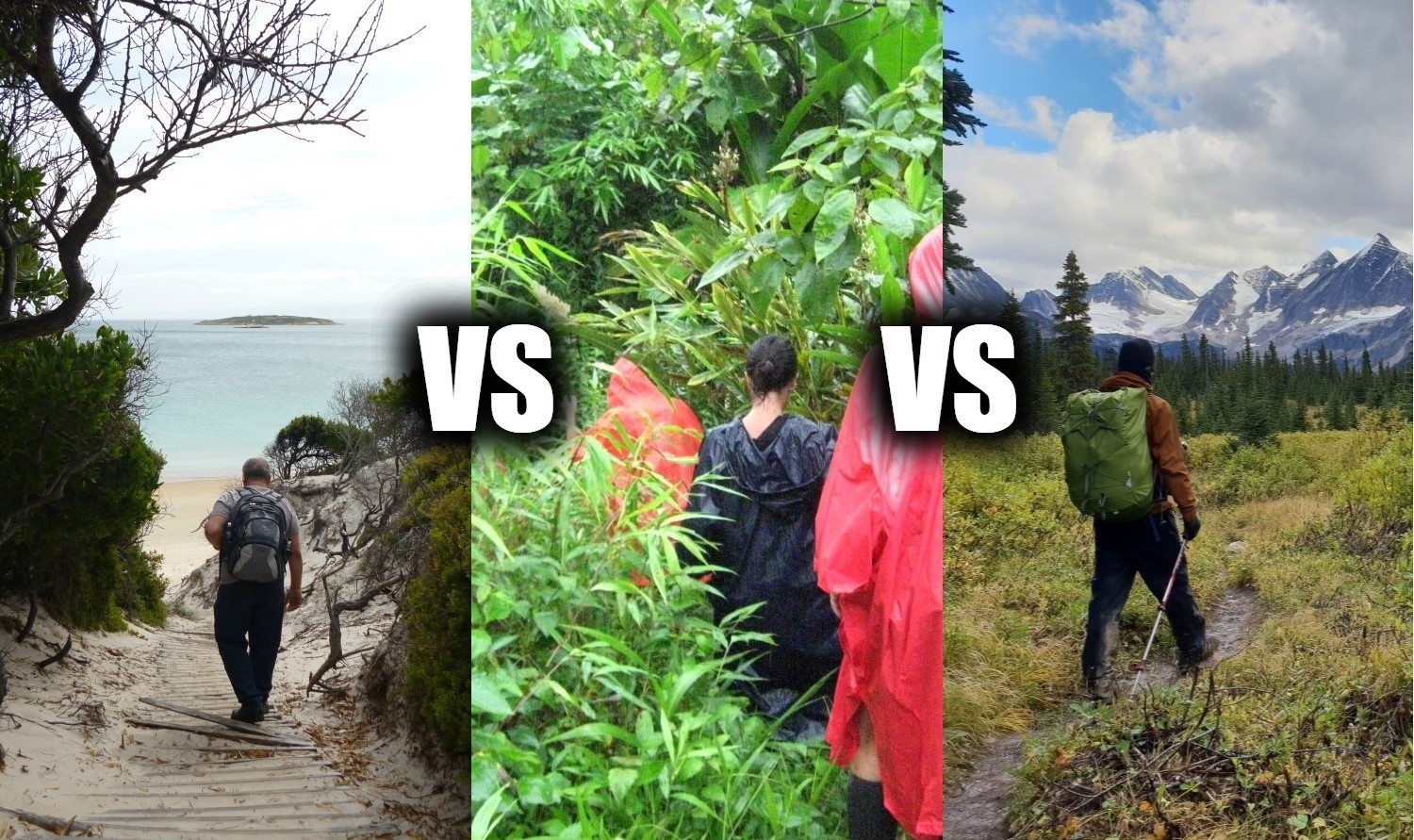
Consider factors such as climate, distance, difficulty level, and cultural attractions when making your decision.
Packing Lists
When it comes to packing, the key is to strike a balance between bringing enough gear to be comfortable and not overloading yourself with unnecessary weight. Here’s a list of essentials to consider:
- Backpack: Choose a sturdy, comfortable backpack with multiple compartments and pockets.
- Shelter: Bring a lightweight tent, sleeping bag, and sleeping pad.
- Clothing: Pack versatile, quick-drying clothing that can be layered for different weather conditions.
- Footwear: Invest in a good pair of hiking boots or trail running shoes.
- Cooking Gear: Bring a portable stove, fuel, pot, and utensils.
- Hydration: Pack a water filter or purification tablets, as well as a refillable water bottle.
- First Aid Kit: Assemble a basic first aid kit with supplies such as bandages, antiseptic wipes, and pain relievers.
- Electronics: Bring a portable charger, phone, and camera.
- Personal Documents: Pack a copy of your passport, driver’s license, and travel insurance documents.
Best Backpacking Routes
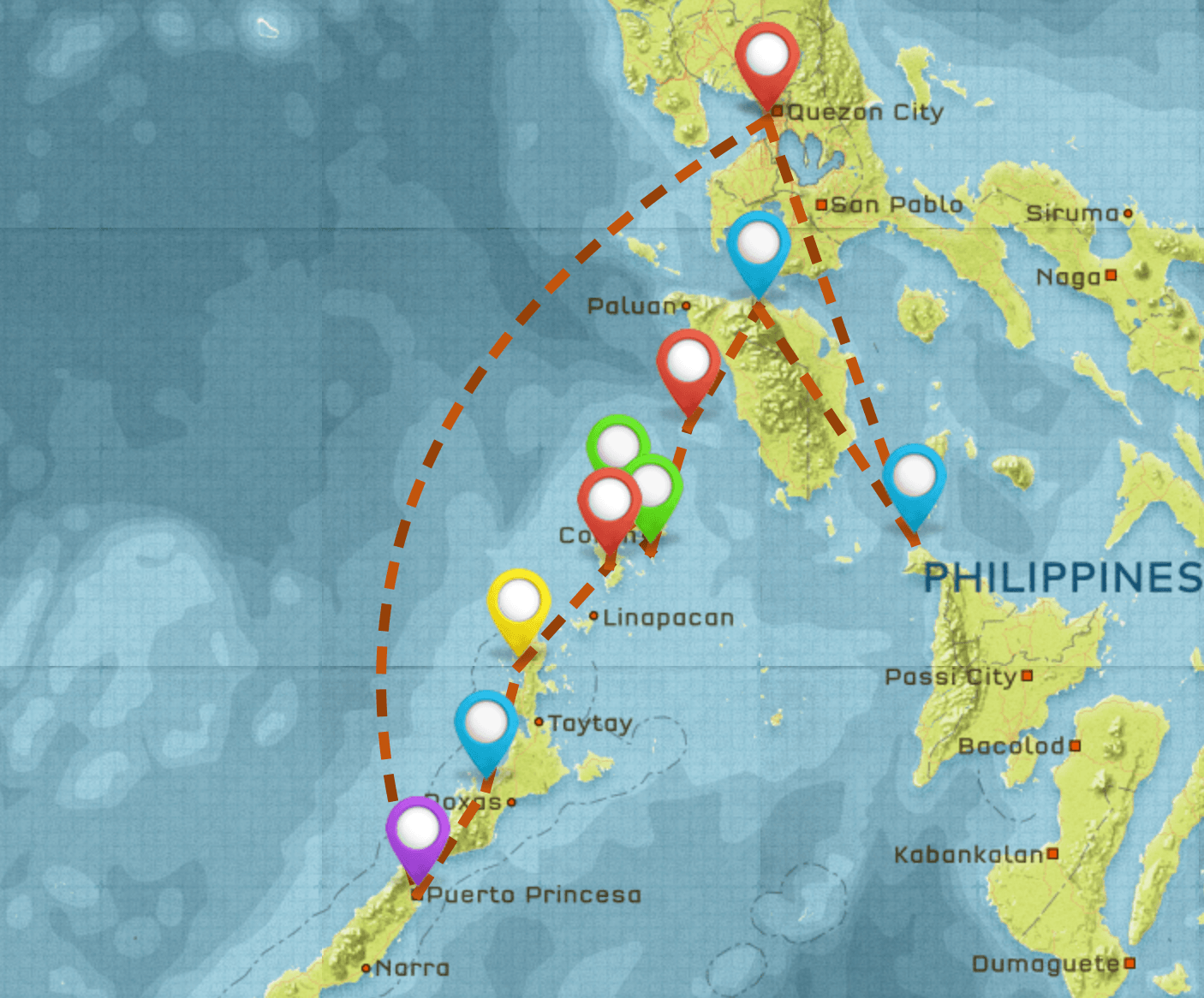
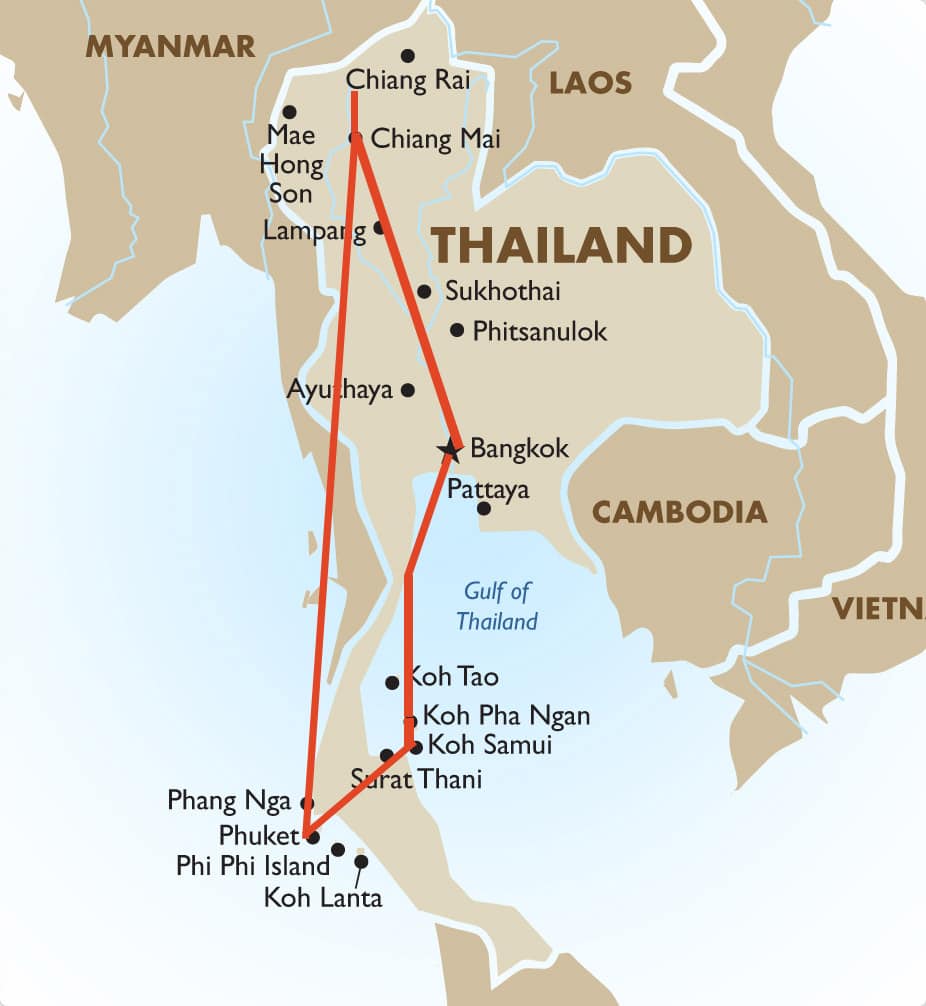
From scenic national parks to challenging long-distance trails, there are countless backpacking routes to choose from. Here are some of the most popular and iconic routes:
- Appalachian Trail (USA): Spanning over 2,000 miles from Georgia to Maine, this legendary trail offers stunning mountain scenery and diverse wildlife.
- Inca Trail (Peru): Follow in the footsteps of the Incas on this 4-day, 26-mile trek to Machu Picchu.
- John Muir Trail (USA): This 211-mile trail runs through California’s Sierra Nevada mountains, offering breathtaking views of Yosemite National Park and Kings Canyon.
- Camino de Santiago (Spain): Embark on a spiritual journey along this ancient pilgrimage route, which stretches over 500 miles from the French border to Santiago de Compostela.
- Tongariro Alpine Crossing (New Zealand): Hike through the stunning landscapes of Tongariro National Park on this challenging 12-mile trek.
Expert Tips
To ensure a successful and enjoyable backpacking experience, follow these expert tips:
- Start Small: Begin with shorter trips and gradually increase your distance and difficulty level.
- Train and Condition: Build up your endurance with regular hiking and exercise before embarking on a long backpacking trip.
- Pack Light: Be ruthless when it comes to packing – every ounce counts when you’re carrying your gear on your back.
- Stay Hydrated: Drink plenty of water throughout the day, especially in hot or high-altitude conditions.
- Respect the Environment: Follow Leave No Trace principles and minimize your impact on the natural environment.
- Be Prepared for Emergencies: Carry a personal locator beacon (PLB) or satellite phone, and know how to use them in case of an emergency.
- Stay Positive and Flexible: Backpacking can be challenging, so it’s essential to stay positive and adapt to changing circumstances.
Safety Considerations
Backpacking can be a safe and enjoyable experience if you take the necessary precautions. Here are some safety considerations to keep in mind:
- Check the Weather: Monitor weather forecasts and be prepared for changing conditions.
- Bring a First Aid Kit: Pack a basic first aid kit and know how to use the supplies.
- Let Someone Know Your Itinerary: Leave a copy of your itinerary with a friend or family member, including your expected return date and contact information.
- Be Aware of Your Surroundings: Pay attention to potential hazards such as wildlife, steep drop-offs, and inclement weather.
- Stay Connected: Carry a cell phone or satellite phone, and know how to use it in case of an emergency.
Cultural Immersion
One of the most rewarding aspects of backpacking is the opportunity to immerse yourself in different cultures. Here are some tips for engaging with local communities:
- Learn a Few Basic Phrases: Show respect for the local culture by learning a few basic phrases, such as greetings and thank you.
- Try Local Food: Be adventurous and try local cuisine, which can be a great way to connect with the community.
- Respect Local Customs: Be mindful of local customs and traditions, especially when visiting religious sites or attending cultural events.
- Engage with Locals: Strike up conversations with locals, who can provide valuable insights and recommendations.
Conclusion
Backpacking is a transformative experience that allows you to connect with nature, challenge yourself, and immerse yourself in different cultures. With careful planning, preparation, and a positive attitude, you can create unforgettable memories and experiences. Whether you’re a seasoned backpacker or just starting out, this guide provides the essential information and expert tips to help you navigate the world of backpacking. So why not start planning your next adventure today?

