“The Ultimate Backpacking Grand Canyon Guide – Packing Lists, Best Routes, and Expert Tips”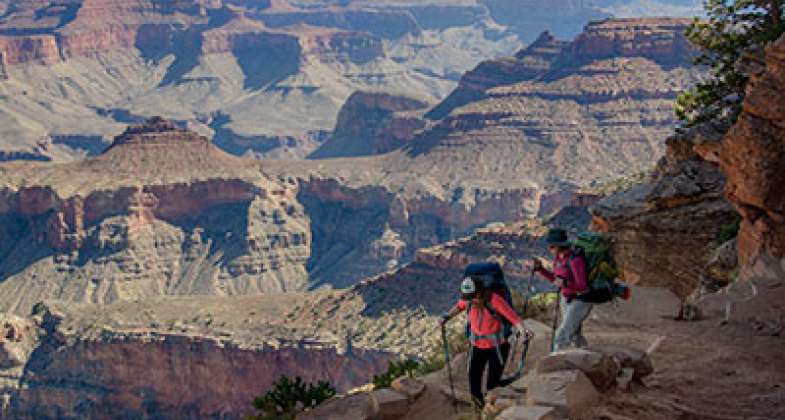
The South Rim is the most accessible part of the park, with numerous trails, amenities, and services. The North Rim, on the other hand, is more remote and less crowded, but equally stunning. The Inner Gorge is the most rugged and unforgiving part of the park, with steep trails and extreme weather conditions.
Before you start planning your backpacking trip, it’s essential to understand the park’s rules and regulations. The Grand Canyon has strict guidelines for backpacking, including permits, camping restrictions, and environmental regulations. Make sure to check with the park’s website or visitor center for up-to-date information.
Packing Lists for Backpacking the Grand Canyon
When it comes to backpacking the Grand Canyon, it’s crucial to pack light, yet bring all the essential gear. Here’s a comprehensive packing list to get you started:
- Clothing:
- Hiking boots or trail running shoes
- Socks and underwear
- Base layers (top and bottom)
- Insulating layers (fleece or down)
- Waterproof jacket and pants
- Hat and gloves (depending on the season)
- Quick-drying pants and shirts
- Shelter and Sleeping Gear:

- Backpacking tent
- Sleeping bag and pad
- Ground tarp
- Camp stakes and rope

- Cooking and Hydration Gear:
- Backpacking stove and fuel
- Cooking pot and utensils
- Water filter or treatment
- Water bottles or hydration bladder
- Food storage containers
- First Aid and Personal Hygiene:
- First aid kit
- Personal hygiene items (toothbrush, toothpaste, etc.)
- Biodegradable soap and toilet paper
- Hand sanitizer
- Navigation and Safety:
- Map and compass
- GPS device or smartphone with GPS app
- Headlamp or flashlight
- Extra batteries
- Emergency shelter and warmth (e.g., space blanket, bivy sack)
- Fire starter (e.g., matches, lighter)
- Personal locator beacon (PLB) or satellite phone (optional)
Best Routes for Backpacking the Grand Canyon
The Grand Canyon offers numerous backpacking routes, ranging from easy day hikes to multi-day treks. Here are some of the most popular routes:
- Bright Angel Trail: This trail is one of the most popular routes to the bottom of the Grand Canyon. It’s a 9.5-mile hike from the South Rim to the Colorado River, with stunning views of the canyon.
- South Kaibab Trail: This trail is another popular route to the bottom of the Grand Canyon. It’s a 6.5-mile hike from the South Rim to the Colorado River, with breathtaking views of the canyon.
- Rim-to-Rim Trail: This trail takes you from the South Rim to the North Rim, covering a distance of 23 miles. It’s a challenging hike, but the views are well worth it.
- Tonto Trail: This trail is a 70-mile route that takes you along the Tonto Platform, offering stunning views of the Inner Gorge. It’s a challenging hike, but the scenery is breathtaking.
Expert Tips for Backpacking the Grand Canyon
Backpacking the Grand Canyon requires careful planning, preparation, and knowledge of the terrain. Here are some expert tips to help you navigate the park:
- Permits: Make sure to obtain a permit before you start your backpacking trip. Permits can be obtained through the park’s website or at the visitor center.
- Weather: The Grand Canyon is known for its extreme weather conditions. Make sure to check the weather forecast before you start your trip, and be prepared for changes in the weather.
- Water: Water is scarce in the Grand Canyon, so make sure to bring enough water for your trip. You can also use water filters or treatment to purify water from natural sources.
- Navigation: The Grand Canyon is a vast park, and it’s easy to get lost. Make sure to bring a map and compass, and know how to use them.
- Safety: The Grand Canyon is a rugged and unforgiving environment. Make sure to bring a first aid kit, and know how to use the items in it. Also, be prepared for emergencies, such as injuries or inclement weather.
Safety Considerations for Backpacking the Grand Canyon
Backpacking the Grand Canyon can be a safe and enjoyable experience, but it’s essential to take necessary precautions to minimize risks. Here are some safety considerations to keep in mind:
- Dehydration: The Grand Canyon is a dry and hot environment, and dehydration can be a significant risk. Make sure to drink plenty of water throughout the day, and avoid hiking during the hottest part of the day.
- Heat Exhaustion: The Grand Canyon can be extremely hot, especially during the summer months. Make sure to take regular breaks, and seek shade when possible.
- Altitude Sickness: The Grand Canyon is a high-altitude environment, and altitude sickness can be a risk. Make sure to ascend gradually, and take regular breaks to acclimatize.
- Wildlife: The Grand Canyon is home to a variety of wildlife, including snakes, spiders, and wildlife. Make sure to be aware of your surroundings, and avoid approaching or feeding wildlife.
Conclusion
Backpacking the Grand Canyon is an adventure of a lifetime, offering breathtaking views, challenging hikes, and unforgettable experiences. With careful planning, preparation, and knowledge of the terrain, you can navigate the park like a pro. Remember to pack essential gear, obtain permits, and follow safety guidelines to ensure a safe and enjoyable trip. Whether you’re a seasoned backpacker or a beginner, the Grand Canyon has something to offer everyone. So, lace up your hiking boots, grab your backpack, and get ready for the ultimate backpacking adventure in one of the most beautiful national parks in the United States.
Additional Resources
For more information on backpacking the Grand Canyon, check out the following resources:
- Grand Canyon National Park Website: www.nps.gov/grca
- Grand Canyon Backpacking Guide: www.grandcanyon.org/backpacking
- Backpacking Gear and Equipment: www.rei.com
- Grand Canyon Weather Forecast: www.weather.gov
By following this guide, you’ll be well-prepared for an unforgettable backpacking adventure in the Grand Canyon. Happy trails!

