“The Ultimate Backpacking In Alaska Guide – Packing Lists, Best Routes, and Expert Tips”
With its vast wilderness, breathtaking landscapes, and abundant wildlife, Alaska offers some of the most spectacular backpacking experiences in the world. However, backpacking in Alaska can be challenging, especially for those who are new to the state’s rugged terrain and unpredictable weather. In this article, we will provide you with the ultimate guide to backpacking in Alaska, including packing lists, best routes, and expert tips to help you prepare for an adventure of a lifetime.
Packing Lists
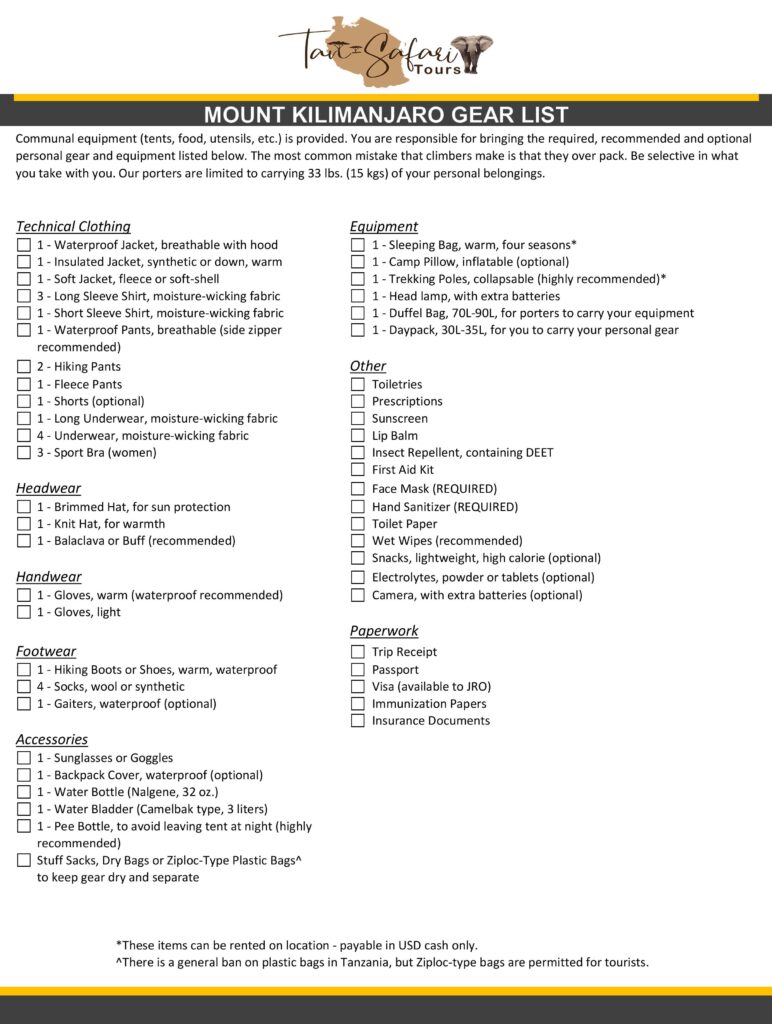
When it comes to backpacking in Alaska, packing the right gear is essential. The state’s weather can be unpredictable, and the terrain can be unforgiving. Here are some essential items to include in your packing list:
- Backpack: A comfortable and sturdy backpack with a capacity of at least 60 liters.
- Shelter: A waterproof tent, a sleeping bag rated for -20°C, and a sleeping pad for comfort.
- Clothing:
- Hiking boots or trail running shoes with good traction and ankle support.
- Base layers (top and bottom) for cold weather.
- Insulating layers (fleece, wool, or synthetic) for colder conditions.
- Waterproof jacket and pants.
- Hat, gloves, and scarf for cold weather.
- Extra socks and underwear.
- Cooking Gear:

- Backpacking stove and fuel.
- Cooking pot and utensils.
- Water filter or purification tablets.
- First Aid Kit:
- Bandages and band-aids.
- Antiseptic wipes and ointment.
- Pain relievers and antihistamines.
- Blister care (moleskin, etc.).
- Navigation Tools:
- Map and compass.
- GPS device or smartphone with GPS app.
- Extra batteries.
- Headlamp and Extra Batteries:
- A reliable headlamp for nighttime navigation.
- Extra batteries in case the primary ones run out.
- Personal Hygiene Items:
- Biodegradable soap and toilet paper.
- Hand sanitizer.
- Wet wipes.
- Food and Snacks:
- High-calorie, lightweight food options (e.g., energy bars, trail mix).
- Freeze-dried meals or instant soups.
- Fresh food (e.g., fruits, vegetables) for the first few days.
- Bear Spray and Other Safety Items:
- Bear spray for protection against bears.
- Pepper spray for protection against other wildlife.
- Emergency whistle and flares.
Best Routes
Alaska has numerous backpacking routes to suit all levels of experience and interest. Here are some of the best routes to consider:
- The Chilkoot Trail: A 33-mile trail that follows the historic route used by gold prospectors in the late 1800s. The trail takes you through rugged terrain, including mountain passes, forests, and coastal regions.
- The Crow Pass Trail: A 22-mile trail that takes you through the Chugach National Forest and offers stunning views of the surrounding mountains and valleys.
- The Kesugi Ridge Trail: A 27-mile trail that runs along the Kesugi Ridge and offers breathtaking views of the surrounding mountains and valleys.
- The Wrangell-St. Elias National Park and Preserve: A vast wilderness area with numerous backpacking routes, including the challenging 30-mile route to the summit of Mount Blackburn.
- The Kenai Fjords National Park: A coastal route that takes you through stunning fjords and offers opportunities to see whales, sea lions, and other marine wildlife.
Expert Tips
Backpacking in Alaska requires careful planning and preparation. Here are some expert tips to help you stay safe and enjoy your adventure:
- Plan Ahead: Check the weather forecast before you leave and be prepared for changing conditions.
- Bring a Map and Compass: Even with a GPS device, it’s essential to bring a map and compass as a backup.
- Respect Wildlife: Keep a safe distance from wildlife, including bears, moose, and other animals.
- Stay Hydrated: Drink plenty of water throughout the day, especially in hot weather.
- Be Prepared for Emergencies: Bring a first aid kit and know how to use the items in it.
- Let Someone Know Your Itinerary: Leave a copy of your itinerary with a friend or family member, including your planned route and expected return time.
- Bring a Personal Locator Beacon (PLB): A PLB can be a lifesaver in an emergency situation.
- Be Prepared for Bugs: Alaska is known for its mosquito and fly populations. Bring insect repellent and a head net to protect yourself.
- Stay on Trail: Stay on designated trails to avoid getting lost and to minimize your impact on the environment.
- Enjoy the Experience: Backpacking in Alaska is a once-in-a-lifetime experience. Take time to enjoy the scenery, wildlife, and solitude.
Safety Considerations
Backpacking in Alaska can be hazardous, especially for those who are new to the state’s rugged terrain and unpredictable weather. Here are some safety considerations to keep in mind:
- Bears: Alaska is home to a large population of grizzly and black bears. Be prepared for encounters by carrying bear spray and making noise while hiking.
- Weather: Alaska’s weather can be unpredictable, with sudden changes in temperature, wind, and precipitation. Be prepared for changing conditions by bringing extra clothing and a waterproof jacket.
- River Crossings: Alaska has numerous rivers and streams that must be crossed while backpacking. Be prepared for river crossings by bringing a water filter or purification tablets and knowing how to use them.
- Avalanches: Alaska’s mountains are prone to avalanches, especially in the spring and early summer. Be aware of avalanche risk and take necessary precautions, such as avoiding steep slopes and carrying an avalanche transceiver.
- Wildfires: Alaska is prone to wildfires, especially during hot and dry weather. Be aware of fire restrictions and take necessary precautions, such as fully extinguishing campfires and avoiding open flames.
Conclusion
Backpacking in Alaska is an adventure of a lifetime, with its vast wilderness, breathtaking landscapes, and abundant wildlife. However, it requires careful planning and preparation to stay safe and enjoy the experience. By following the packing lists, best routes, and expert tips outlined in this article, you’ll be well on your way to a successful and enjoyable backpacking trip in Alaska. Remember to respect the environment, wildlife, and other backpackers, and to always prioritize your safety and well-being. Happy trails!